Glad Of Africa · · 2 min read · Migration
When the calves arrive, where to see them, what the predators do and how to plan a calving season safari in the southern Serengeti.
What is the calving season?
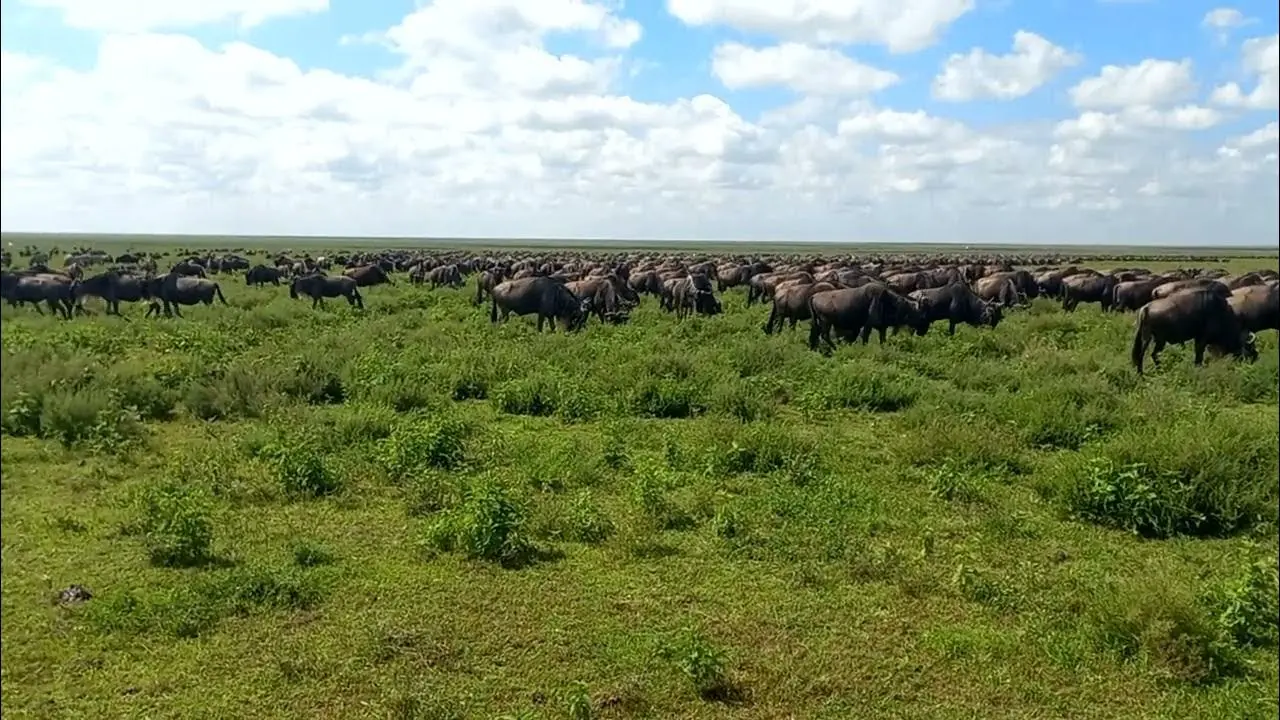
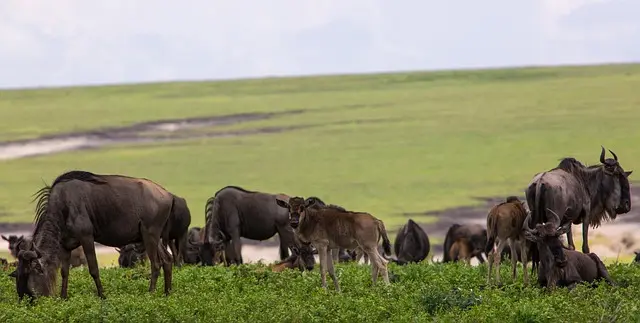
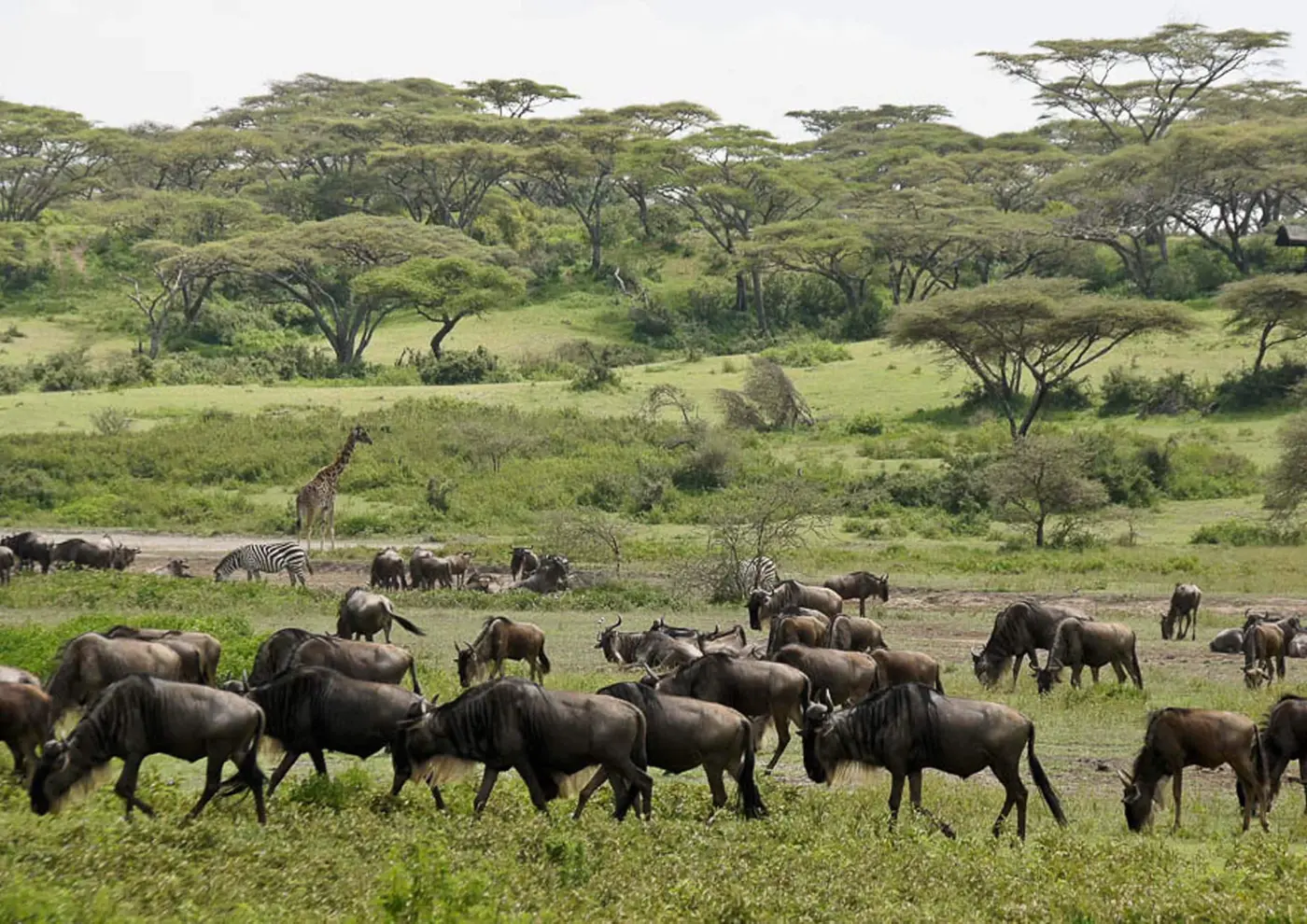
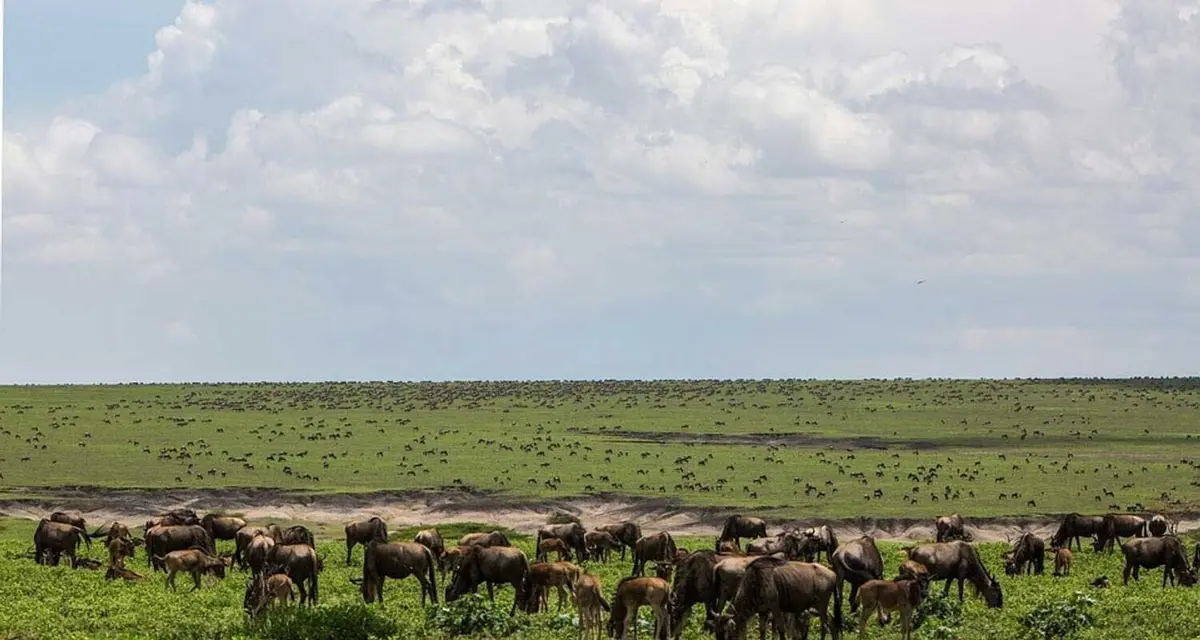
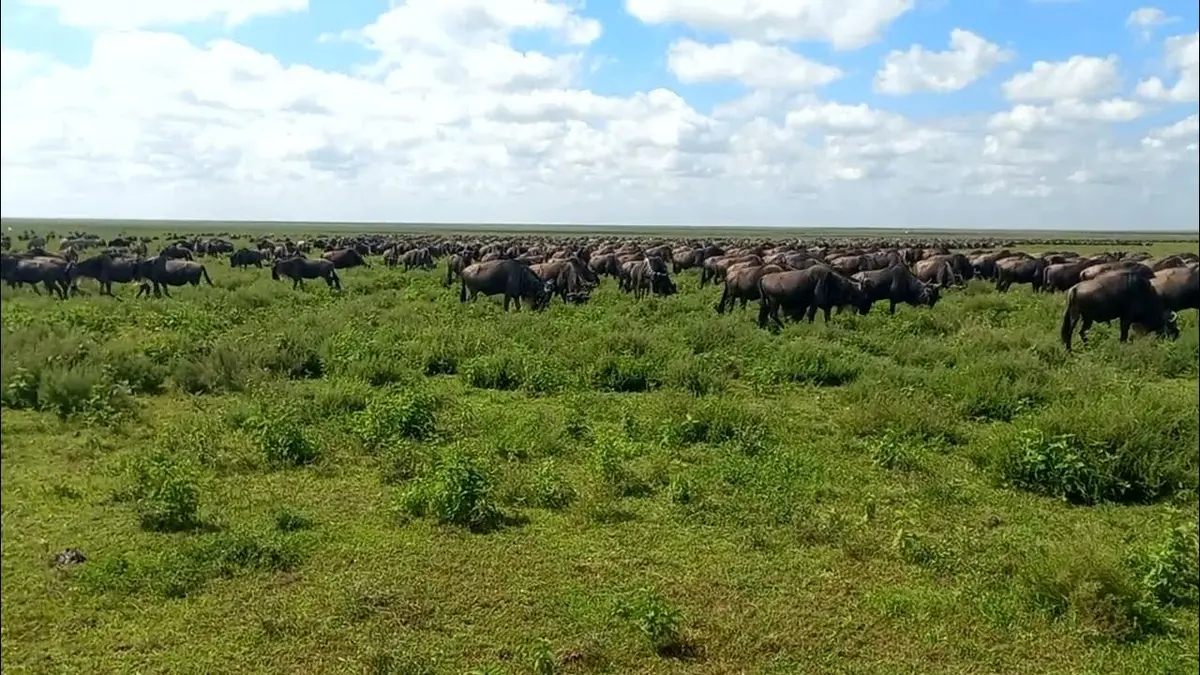
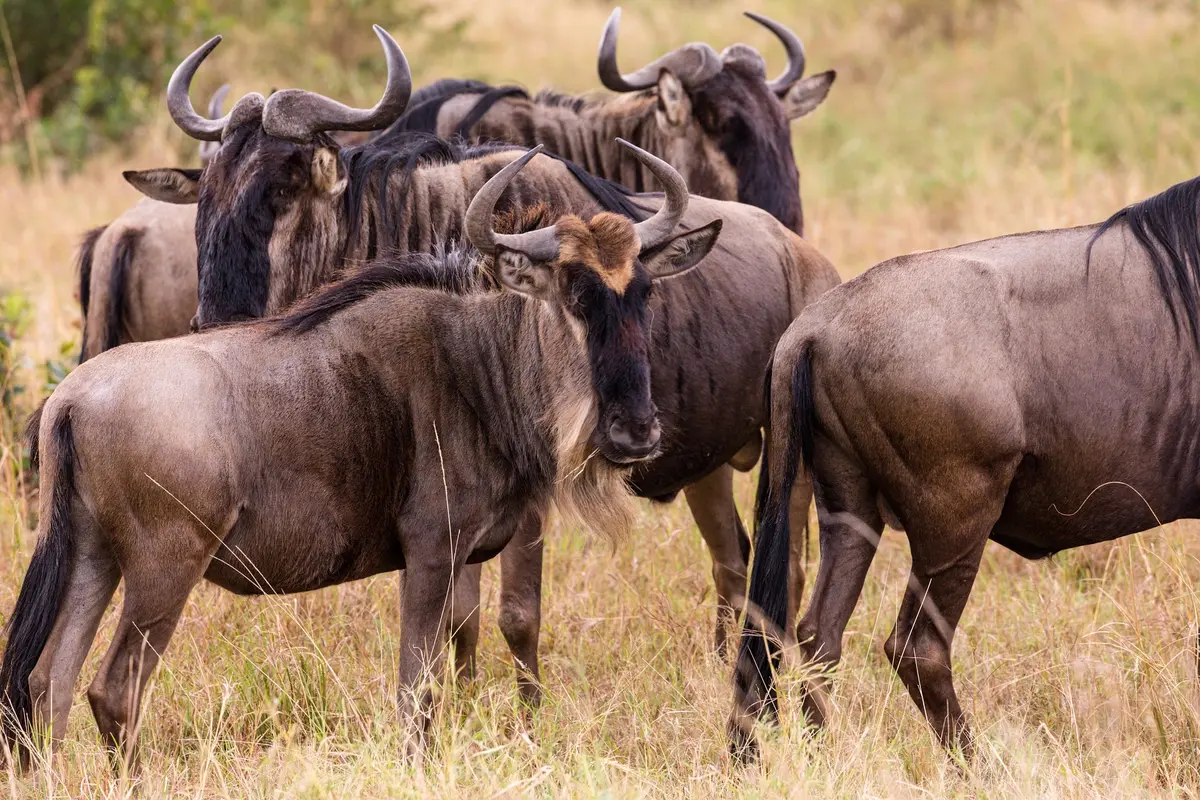
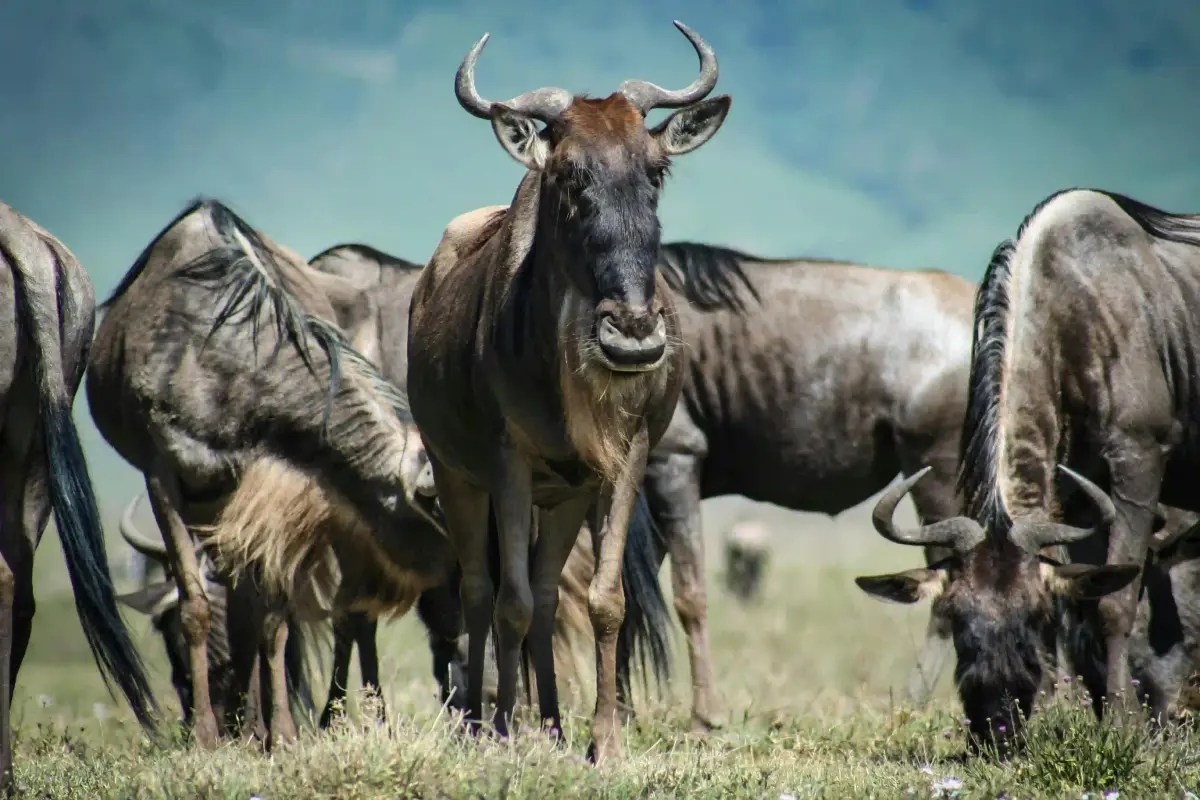
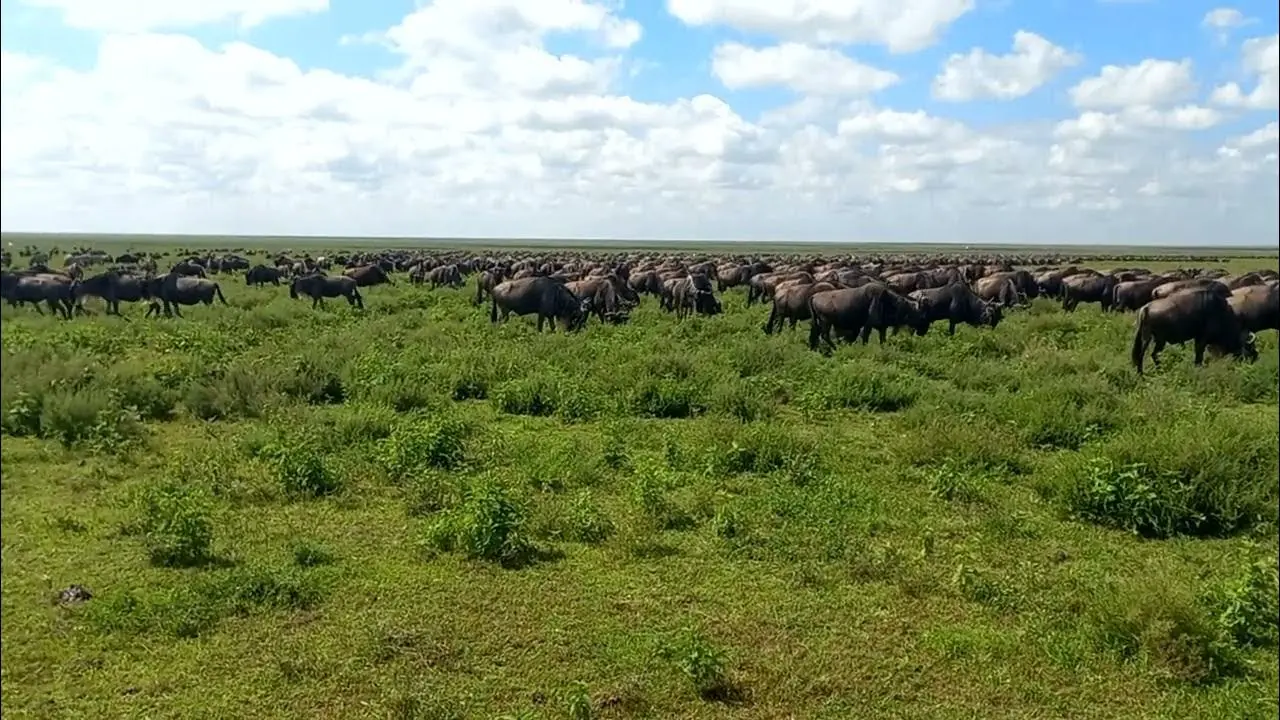
Every year, around one and a half million wildebeest gather on the short-grass plains of the southern Serengeti and the Ndutu area. Within a few weeks, hundreds of thousands of calves are born. Most are born in the same short period, which is a survival strategy: predators cannot eat them all, and a calf can stand and run within minutes of birth.
When does it happen?
The peak is usually February, and births begin in late January and continue into March. The exact timing follows the rains, so it shifts a little each year. The herds spread across the plains, and a good guide follows where the newest calves are.
Why the southern plains?
The volcanic ash from the nearby highlands makes the grass here rich in minerals. Mothers need that nutrition to produce milk. The short grass also lets mothers see predators coming from a long way off.
Predators and drama
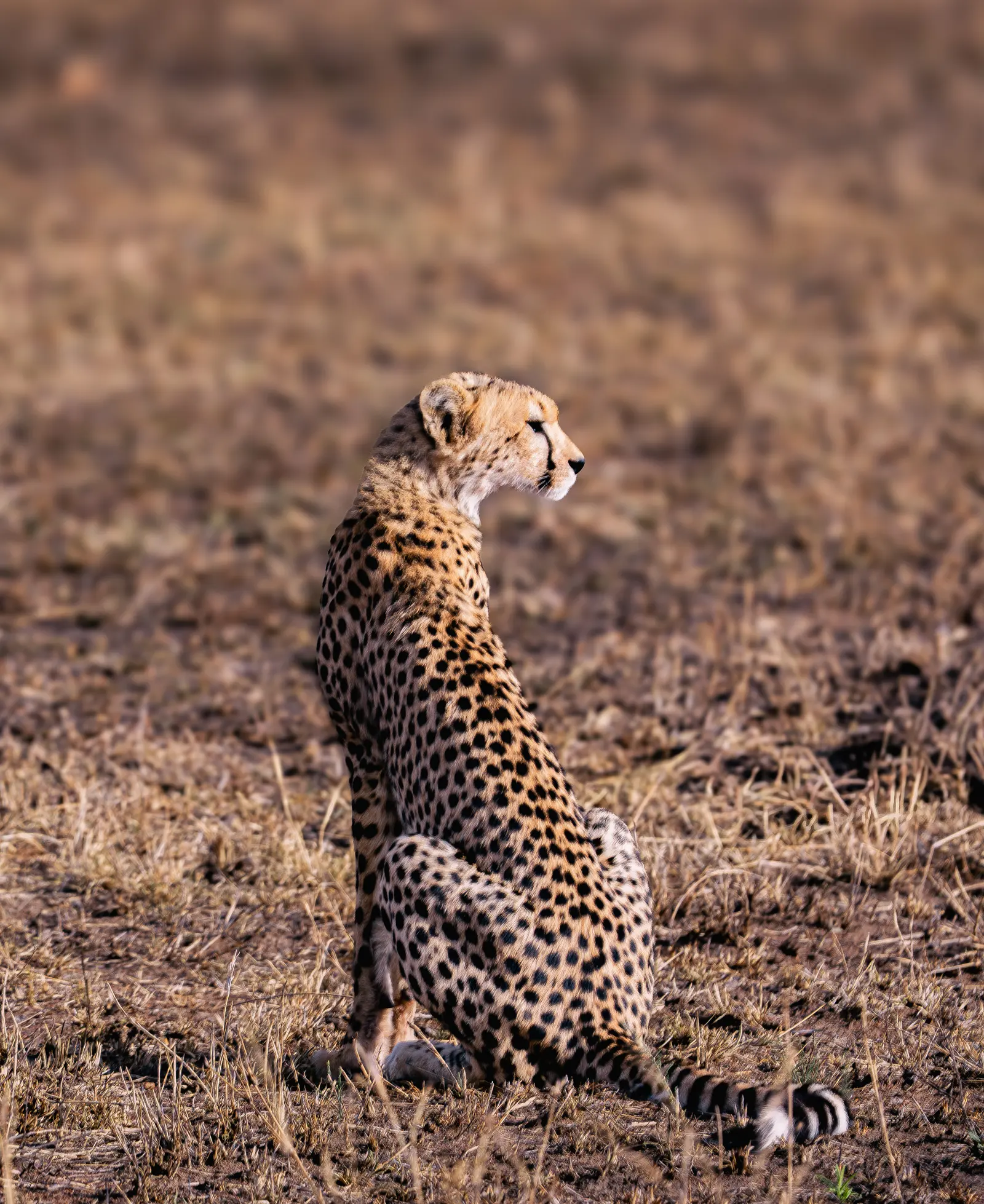
Where there are newborns, there are hunters. Lions, cheetahs, spotted hyenas, jackals and leopards in the Ndutu woodlands all take advantage of the season. You will see hunts, chases and also gentle moments, as mothers nudge new calves to their feet. This is wildlife viewing at its most raw, and some scenes are not for everyone.
Where to go
Lake Ndutu, on the border of the Serengeti and the Ngorongoro Conservation Area, is the heart of the calving season, with the nearby Kusini plains and the Gol and Naabi areas. Stay at least two or three nights so your guide can follow the herds. See our 5-day Ndutu calving season and Ngorongoro Crater safari for a short option, or the 7-day February calving season safari for more time.
How to plan it
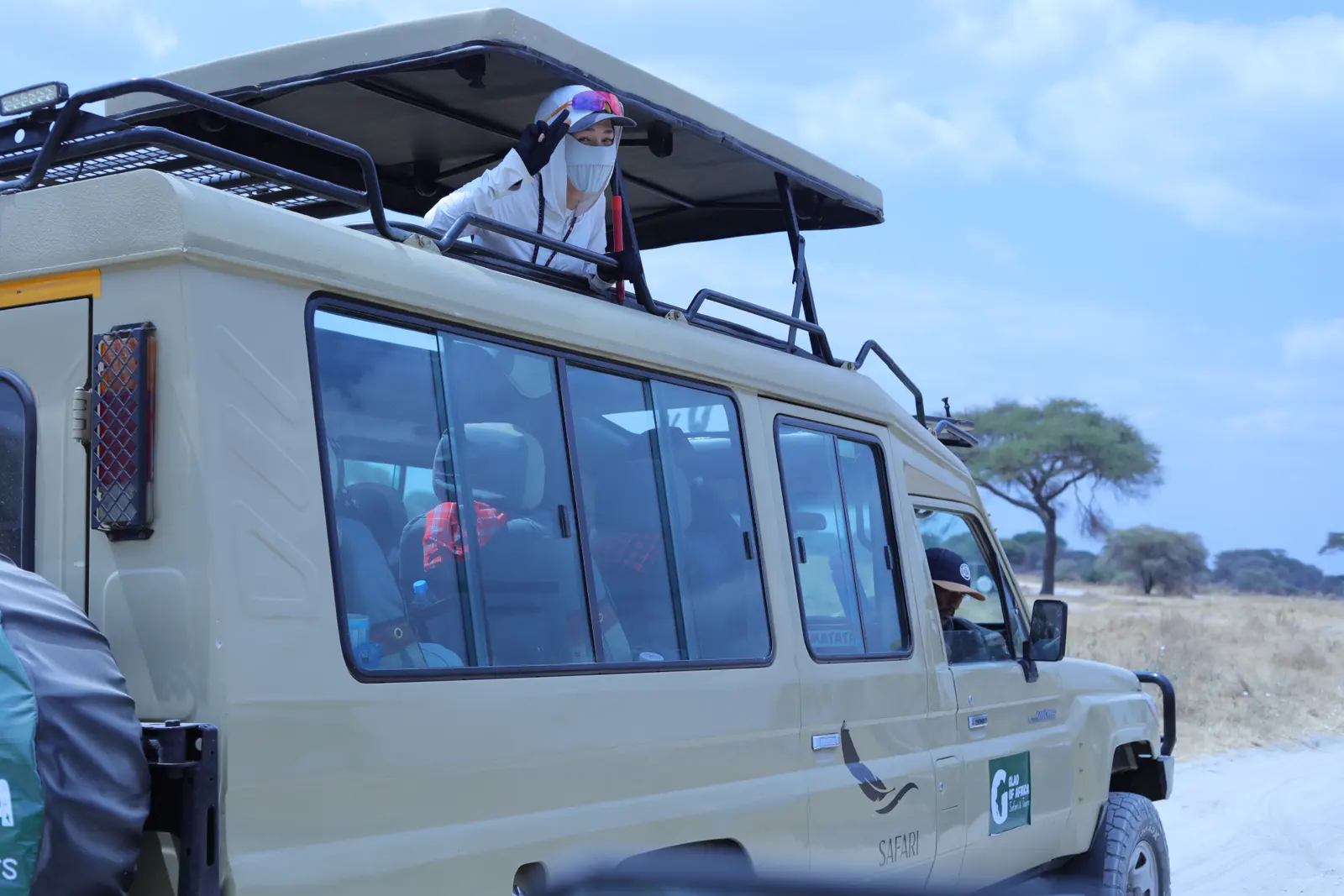
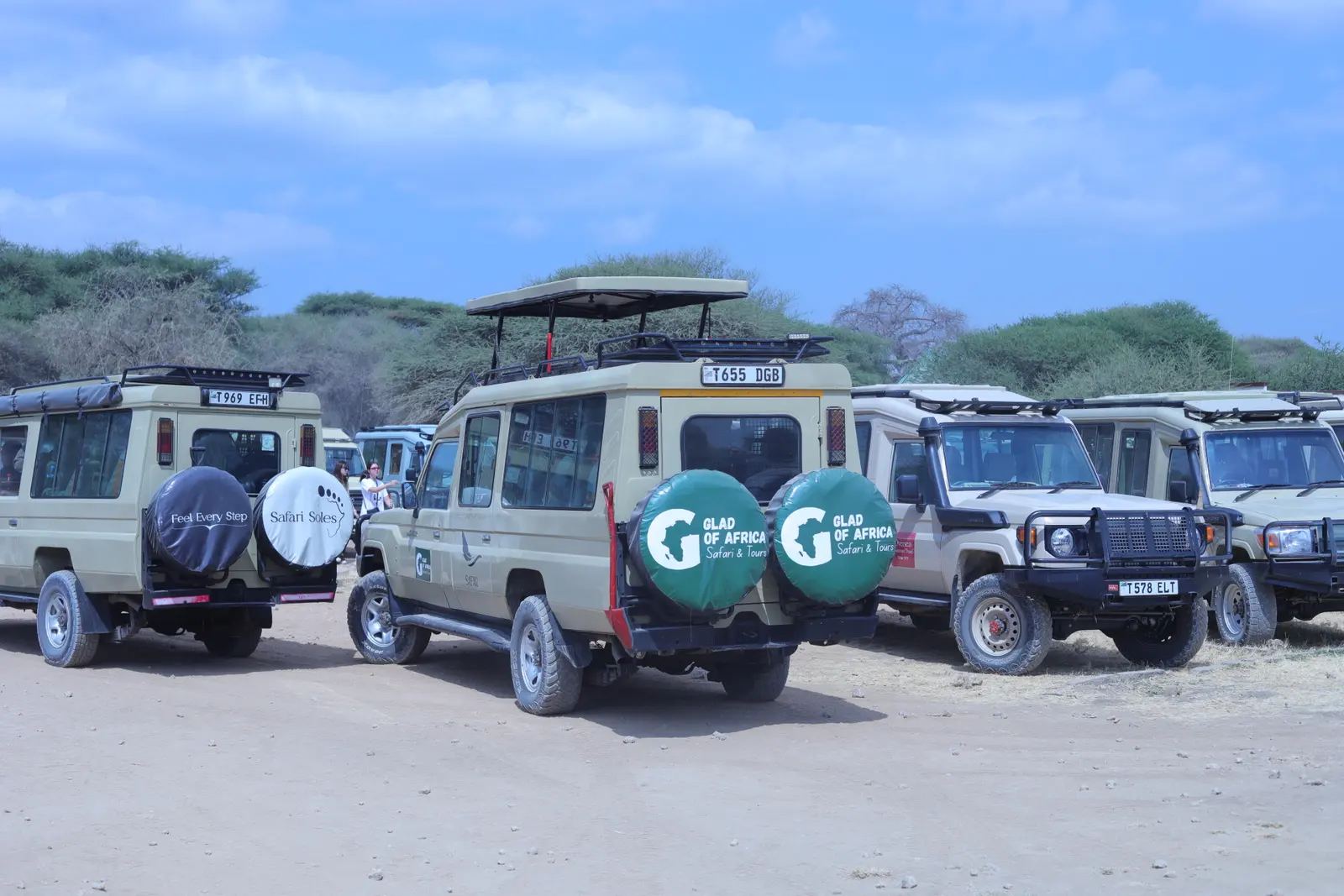
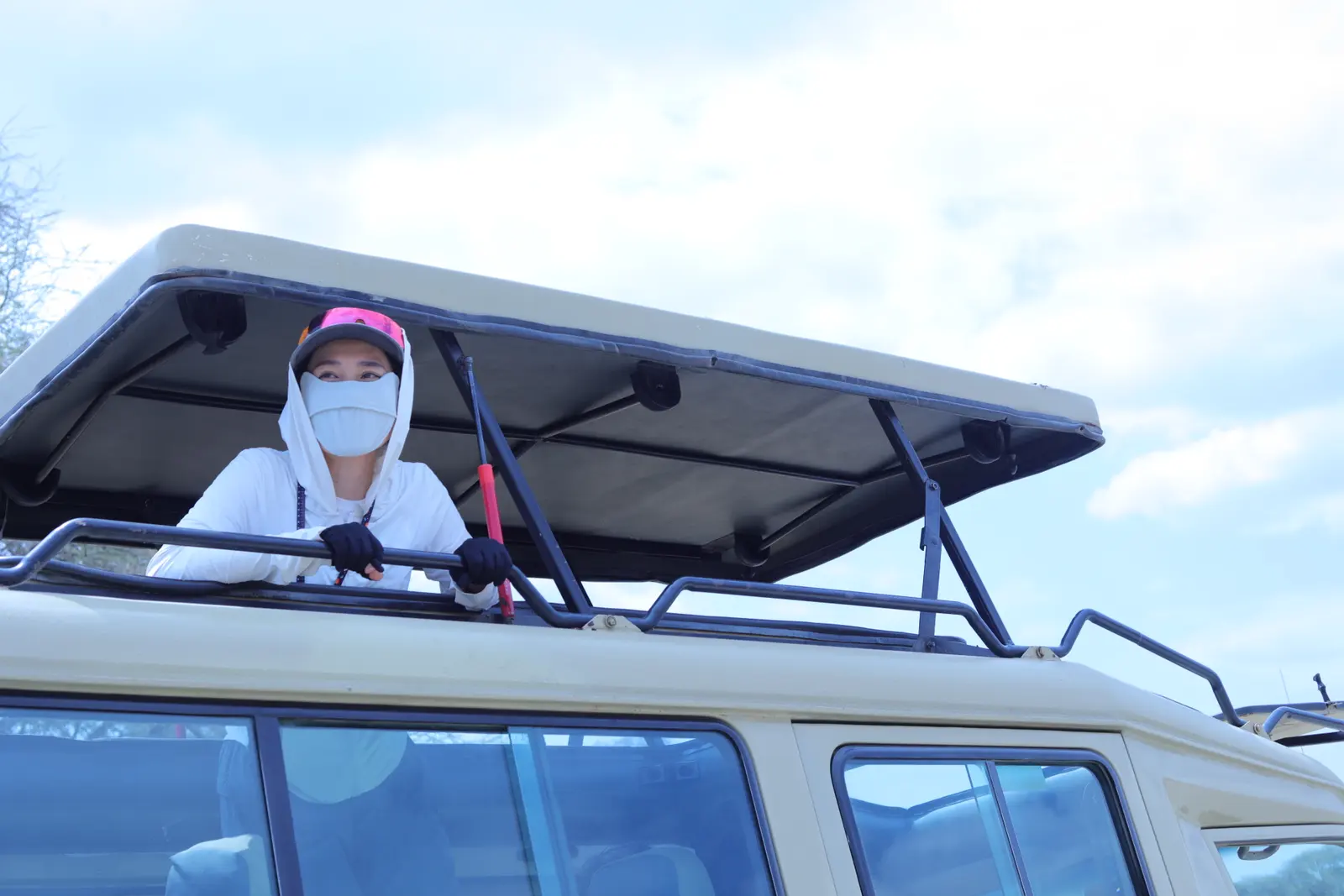
Book early. Camps near Ndutu are small and fill up for January to March, often a year ahead. A private 4x4 with a pop-up roof gives you the freedom to stay with a sighting. Pack warm layers for the mornings and a good lens. Our guide to what to pack for a Tanzania safari covers the rest.