Glad Of Africa · · 1 min read · Migration
Each month of the calving season offers something different. Here is how to choose the one that matches what you want to see.
January: herds arrive, green plains
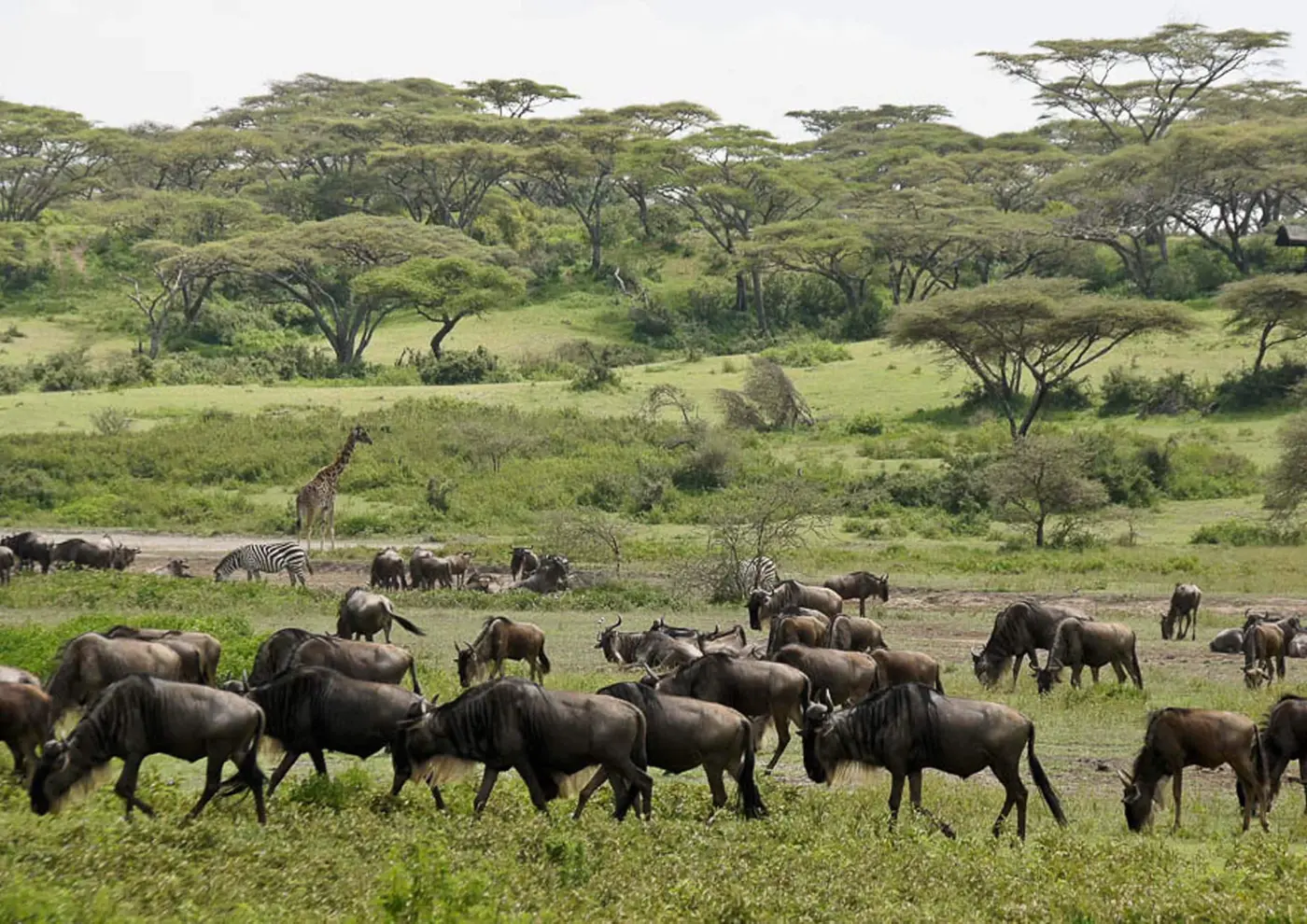
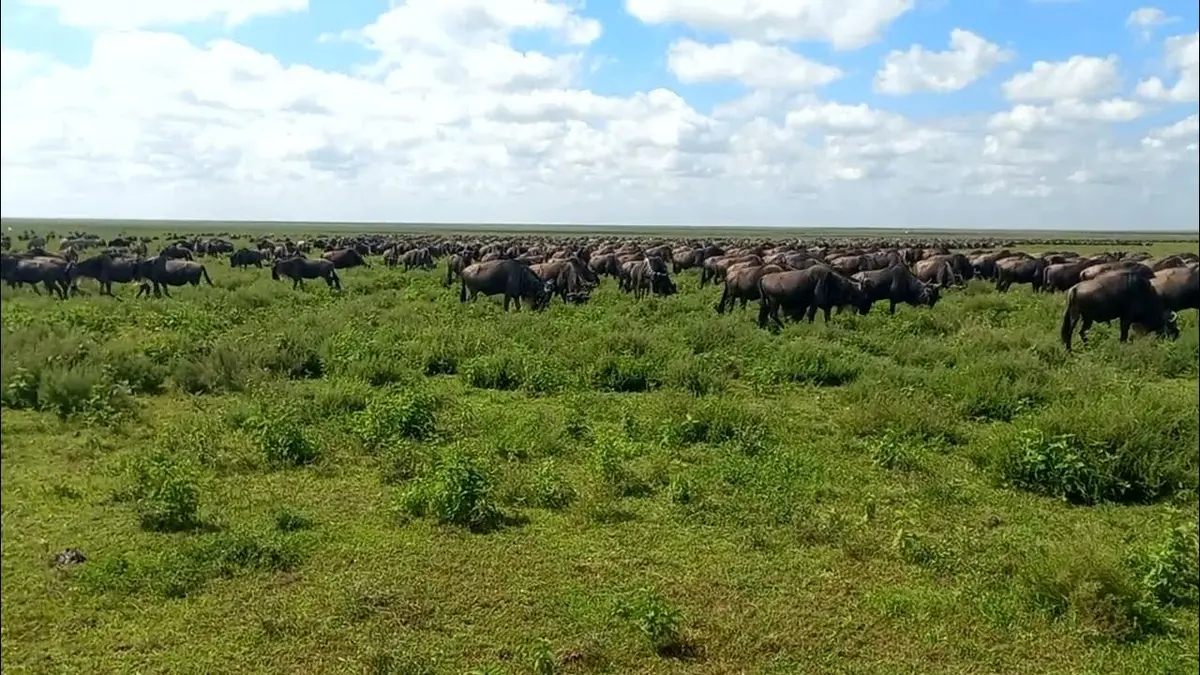
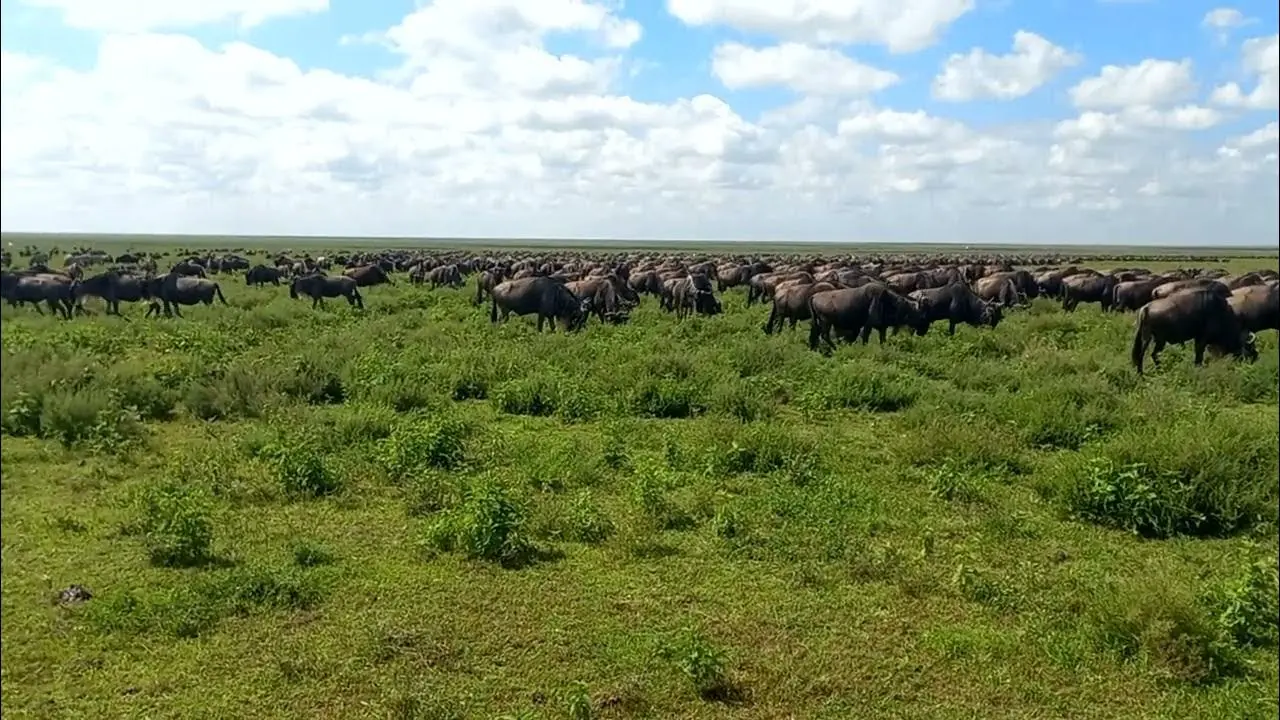
In January the herds are gathering on the southern plains and the grass is green after the short rains. Births have started in late January in some years. The advantage is quieter camps and slightly lower prices, and you see the build-up to the calving peak. The risk is that the first calves may be only a few days away.
February: the peak
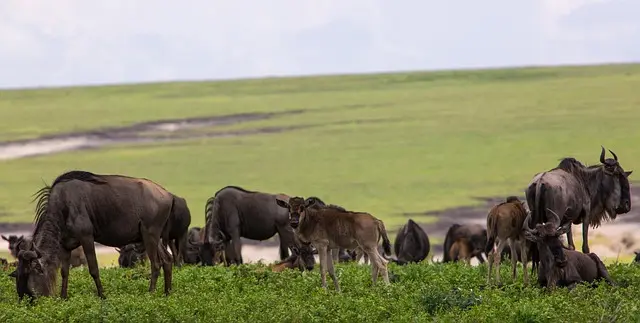
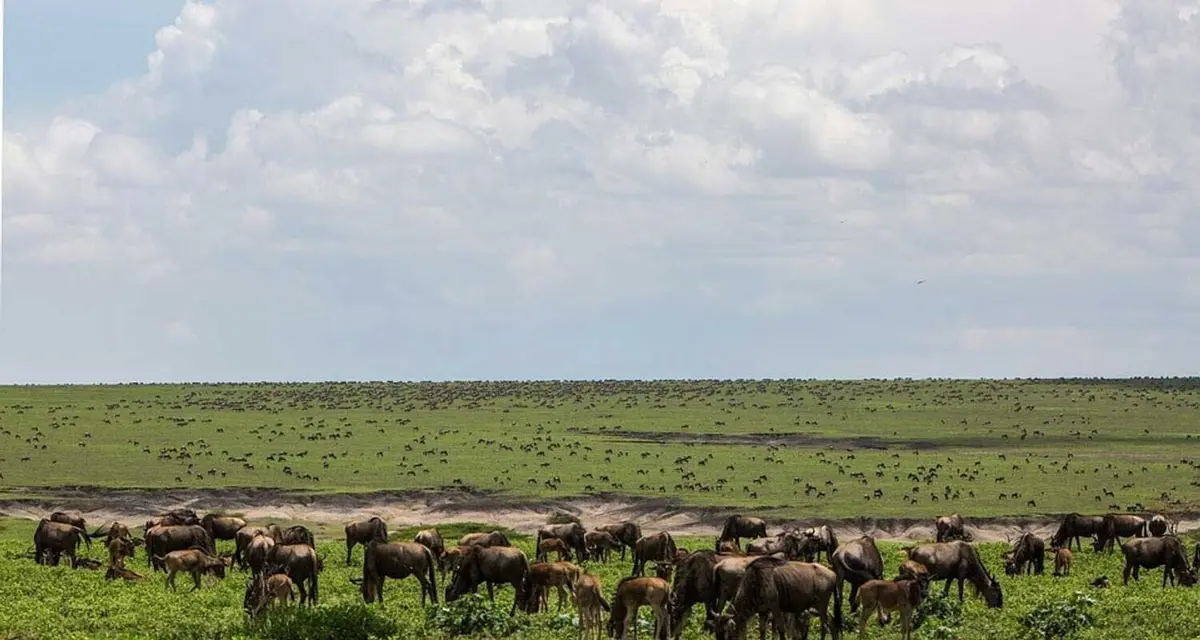
February is the best-known month for calving. The plains are covered with herds and newborns, and predators are very active. It is also the busiest and most expensive time, so book early. If seeing as many calves as possible is your priority, choose the first three weeks of February.
March: the herds begin to move
In March births slow down and the herds start to spread out and move west and north. You still see many calves, now a few weeks old and running with their mothers. Crowds thin out, and green-season light is good for photography. Rain is more likely as March goes on.
What about the weather?
Ndutu is green and warm in these months, with short rain showers that are usually brief. Mornings can be cool, so bring a fleece. Roads can be muddy after heavy rain, but a good 4x4 and guide handle it.
Our advice
For the most calving action, travel in the first three weeks of February. If you prefer fewer vehicles and still want newborns, choose late January or early March. Whichever month you choose, plan at least three nights in the Ndutu area. See our Ndutu calving season safaris, and tell us your dates for a tailored suggestion.