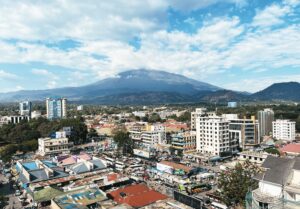
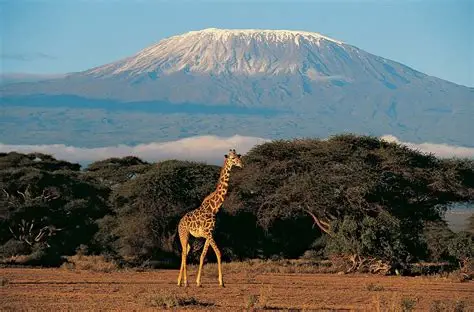
Climbing Mount Kilimanjaro is one of the most inspiring travel experiences in Africa. Climbing Mount Kilimanjaro takes you to 5,895 meters (19,341 feet), making it the highest mountain on the continent and one of the world’s most iconic trekking destinations. Located in northern Tanzania, this legendary peak draws adventurers from across the globe, all dreaming of standing on the “Roof of Africa” and witnessing sunrise at Uhuru Peak.
What makes Kilimanjaro truly special is its accessibility. Unlike many high-altitude mountains, it does not require technical climbing skills or mountaineering experience. With proper preparation, experienced guides, and enough time to acclimatize, both seasoned hikers and first-time trekkers have a real chance of reaching the summit. This is why Climbing Mount Kilimanjaro is considered achievable for a wide range of travelers.
But Kilimanjaro is more than just a mountain it’s a journey through nature, culture, and personal discovery. For many, Climbing Mount Kilimanjaro becomes a life-changing experience filled with challenge, beauty, and unforgettable memories.
Why Climb Mount Kilimanjaro?
Climbing Mount Kilimanjaro is not just an adventure it’s a life-changing experience. It challenges your limits, strengthens your mindset, and rewards you with unforgettable moments.
One of the most remarkable aspects of Climbing Mount Kilimanjaro is its incredible diversity. As you climb higher, you pass through five distinct ecological zones, each offering a new environment and perspective.
Rainforest Zone
The journey begins in a lush tropical forest filled with towering trees, vibrant plants, and wildlife such as blue monkeys and colorful birds. The air is humid, and the scenery is rich and green.
Heath & Moorland Zone
As you ascend, the forest opens into wide moorlands dotted with giant groundsels and unique alpine vegetation. The views expand, revealing the vast beauty of the mountain.
Alpine Desert Zone
Higher up, the landscape becomes dry, rocky, and dramatic. The air thins, temperatures drop, and the terrain feels almost like another planet.
Arctic Summit Zone
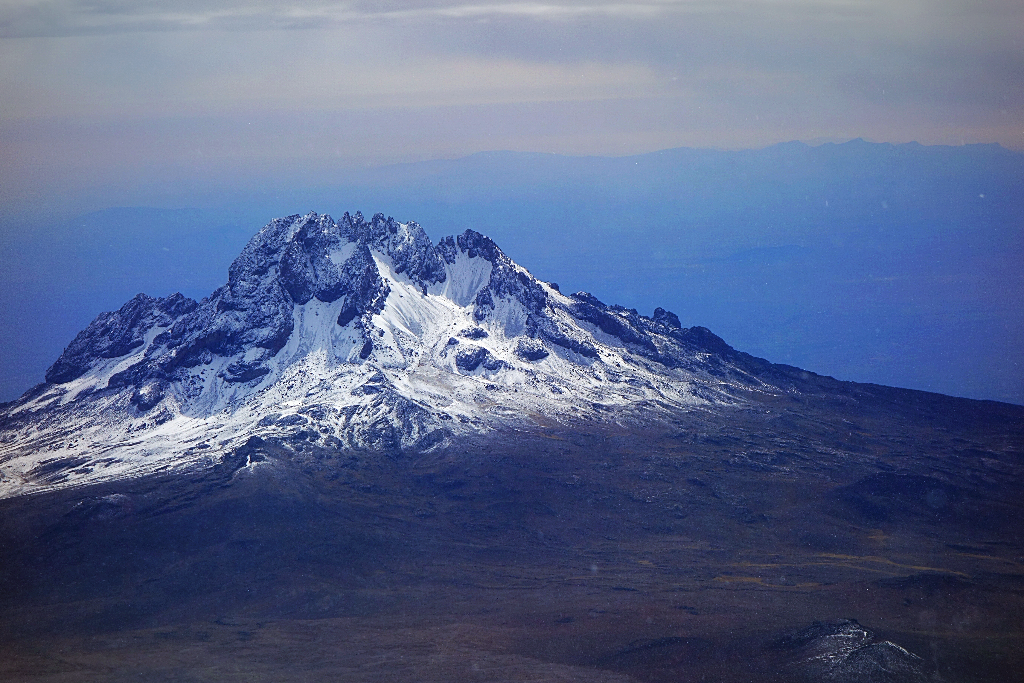
Near the summit, conditions turn icy and extreme. Glaciers, snowfields, and volcanic scree lead you toward Uhuru Peak the highest point in Africa.
Beyond the landscapes, Kilimanjaro offers something deeper: a chance to disconnect from everyday life and reconnect with nature. Days on the mountain bring peace, clarity, and strong bonds with your guides and team.
Best Routes to Climb Mount Kilimanjaro
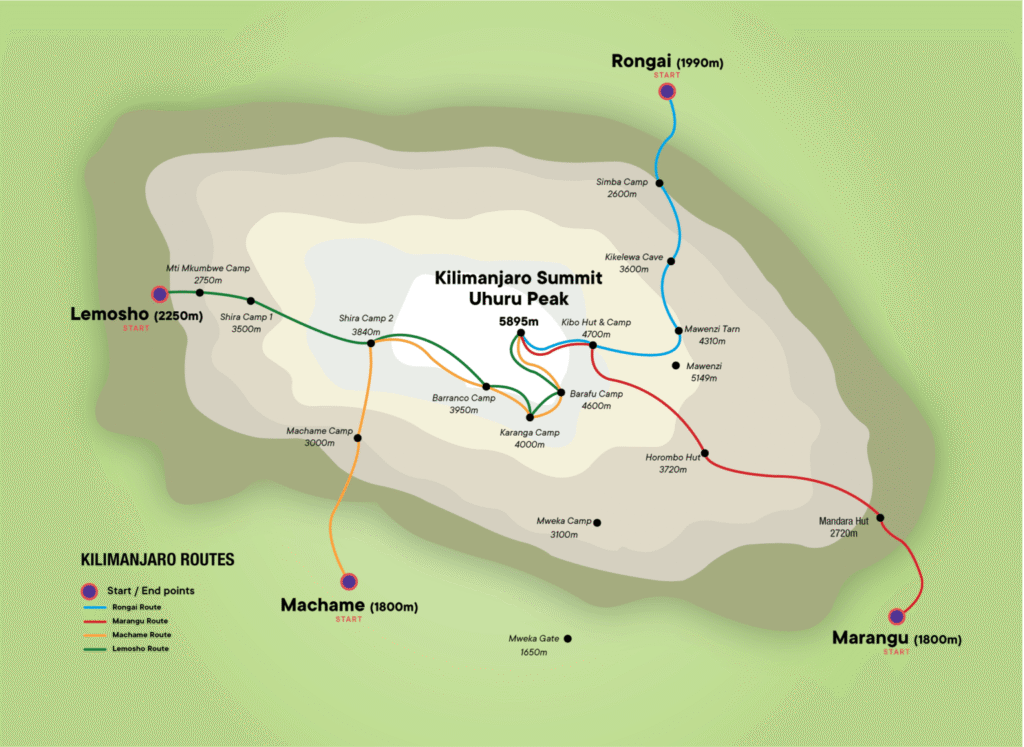
Climbing Mount Kilimanjaro involves several trekking routes, and choosing the right route is one of the most important decisions when planning your climb. Each route on Climbing Mount Kilimanjaro offers different scenery, acclimatization profiles, difficulty levels, and trekking experiences.
Lemosho Route
The Lemosho Route on Climbing Mount Kilimanjaro is one of the most scenic and successful routes. It starts on the western side of the mountain, passing through rainforest before joining the southern circuit.
This route usually takes 7–8 days, allowing good acclimatization and improving summit success. It also offers beautiful views and fewer crowds at the beginning. Explore Lemosho Route Package>>
Best of this route:
- Beautiful and diverse scenery
- Excellent acclimatization
- High summit success rate
- Great for photography
- Ideal for first-time climbers
Machame Route
The Machame Route on Mount Kilimanjaro, often called the “Whiskey Route,” is one of the most popular ways of Climbing Mount Kilimanjaro. It is known for its dramatic landscapes, steep trails, and adventurous atmosphere.
This route approaches the mountain from the south and offers incredible views of valleys, glaciers, and volcanic formations. Although more physically demanding than some routes, it rewards climbers with beautiful scenery and strong acclimatization opportunities while Climbing Mount Kilimanjaro.
The Machame Route usually takes 6–7 days and is ideal for active hikers looking for a challenging but rewarding experience of Climbing Mount Kilimanjaro. Explore Machame Route Package>>
Best of this Route
- Stunning mountain scenery
- Popular and social route
- Strong acclimatization profile
- Excellent for experienced hikers
- Spectacular summit approach
Rongai Route
The Rongai Route on Climbing Mount Kilimanjaro starts on the northern side near the Kenyan border. It is one of the quieter routes and receives less rainfall, making it a good option during the rainy season.
This route offers a more remote and peaceful trekking experience, with unique views of the mountain from the north. It is moderately difficult and suitable for climbers looking to avoid crowds.
Best of this route:
- Less crowded trails
- Drier conditions
- Peaceful trekking experience
- Good for rainy seasons
- Beautiful wilderness scenery
Northern Circuit Route
The Northern Circuit is the longest route on Kilimanjaro and one of the best for acclimatization. It circles around the quieter northern slopes of the mountain and provides some of the highest summit success rates.
Because the route lasts around 8–9 days, climbers have more time to adapt to altitude, reducing the risk of altitude sickness. It is perfect for travelers who want a slower pace and a more immersive mountain experience.
Best of this Route
- Highest summit success rates
- Excellent acclimatization
- Fewer crowds
- Longer and more scenic journey
- Incredible panoramic views
Marangu Route
The Marangu Route is the oldest and one of the most famous Kilimanjaro routes. It is the only
route offering hut accommodations instead of camping. Many climbers choose Marangu because of the sleeping huts and relatively gradual trails. However, shorter itineraries on this route may reduce acclimatization time, making summit success more difficult compared to longer routes. The Marangu Route is ideal for travelers who prefer hut accommodation over camping. Explore Marangu Route Package >>
Best of this Route
- Hut accommodations
- Comfortable sleeping arrangements
- Easier trail conditions
- Popular for beginners
- Shorter trekking duration
- Best Time to Climb Kilimanjaro
Kilimanjaro can be climbed throughout the year, but weather conditions vary depending on the
season.
January to March
These months are generally quieter and slightly colder, especially near the summit. Snow
conditions can create beautiful scenery, and the trails are less crowded.
Best for:
Fewer climbers
Cooler temperatures
Snow-covered summit views
June to October
This is the most popular climbing season due to dry weather and clear skies. Conditions are ideal
for trekking and photography.
Best for:
Clear mountain views
Dry trekking conditions
Better summit visibility
During the rainy seasons, trails may become muddy and visibility can decrease. However, experienced trekkers still climb during these months for a quieter experience.
How Difficult Is Climbing Mount Kilimanjaro?
Many people underestimate Kilimanjaro because it does not require technical climbing skills. However, the mountain is physically demanding due to altitude and long trekking days. The biggest challenge is altitude sickness, which occurs because oxygen levels decrease significantly at higher elevations. Even fit climbers can experience symptoms such as:
Headaches
Nausea
Dizziness
Fatigue
Loss of appetite
Success on Climbing Mount Kilimanjaro depends more on acclimatization than physical strength. This is why longer itineraries with gradual altitude gain are strongly recommended.
To improve summit success:
Choose a longer route
Walk slowly (“Pole Pole” in Swahili)
Drink plenty of water
Eat enough food during the trek
Listen carefully to your guides
Mental determination also plays a huge role during summit night, when climbers hike in freezing
temperatures and thin air for several hours before sunrise.
What to Pack for Climbing Mount Kilimanjaro
Packing the right equipment is essential for a safe and comfortable climb. Temperatures vary
dramatically from tropical rainforest heat to freezing summit conditions.
Essential Clothing
Waterproof hiking boots
Thermal base layers
Fleece jacket
Down jacket
Waterproof shell jacket
Hiking pants
Warm gloves and hat
Essential Gear
Sleeping bag
Trekking poles
Headlamp
Duffel bag
Daypack
Sunglasses
Water bottles or hydration pack
Sunscreen and lip balm
Layering is extremely important because temperatures change throughout the day. Proper gear can make a huge difference in comfort and summit success.
Safety and Responsible Trekking
Safety should always be the top priority when climbing Kilimanjaro. A professional trekking company will provide experienced guides, quality equipment, emergency oxygen, and daily health monitoring.
Good operators regularly check climbers’ oxygen levels and monitor symptoms of altitudem sickness to ensure safe trekking conditions.
Responsible tourism is also very important on Kilimanjaro. Porters carry equipment, prepare meals, and support climbers throughout the journey. Choosing ethical operators that provide fair wages and proper treatment for porters helps support sustainable tourism in Tanzania.
Summit Night Experience
Summit night is the most challenging and emotional part of the Kilimanjaro climb. Trekkers usually begin the final ascent around midnight in complete darkness.
The climb is slow and demanding due to freezing temperatures, steep trails, and low oxygen levels. Climbers use headlamps while following the winding trail toward Stella Point and finally
Uhuru Peak.
As dawn approaches, the sky begins to change colors, revealing glaciers, clouds, and endless African landscapes below. Reaching the summit at sunrise is an emotional moment filled with celebration, relief, and pride.For many travelers, this becomes one of the most unforgettable experiences of their lives.
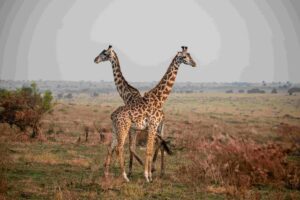
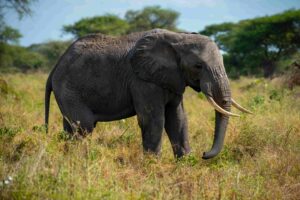
Combine Climbing Mount Kilimanjaro with a Tanzania Safari
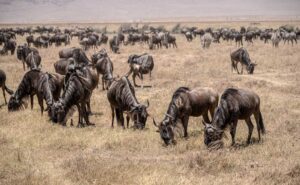
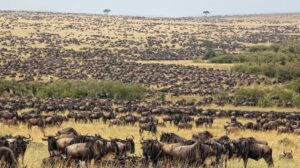
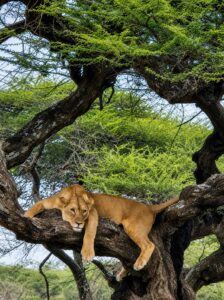
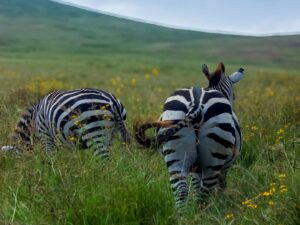
Many travelers combine their Kilimanjaro climb with a wildlife safari in northern Tanzania. After the physical challenge of the mountain, a safari offers relaxation and incredible wildlife experiences.
Popular safari destinations include:
Serengeti National Park
Ngorongoro Crater
Tarangire National Park
Lake Manyara National Park
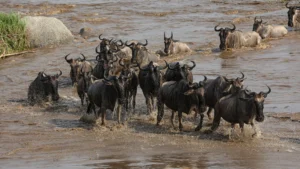
Visitors can experience the Big Five, wildebeest migration, breathtaking landscapes, and luxury
safari lodges, making Tanzania one of the best adventure destinations in the world.