Tanzania’s Great Migration Safari is not a single event but an unbroken cycle one that has repeated itself across the Serengeti for tens of thousands of years, long before the first safari vehicle ever crossed these plains. For travelers who want to witness it properly not rushed, not crowded, but held in the kind of quiet luxury that lets a moment like this actually land a great migration safari with Glad Of Africa Safari & Tours is built entirely around getting the timing, the position, and the pace exactly right.
What Makes a Great Migration Safari Different From an Ordinary One
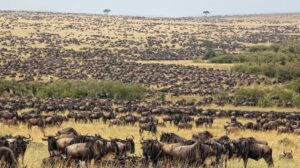
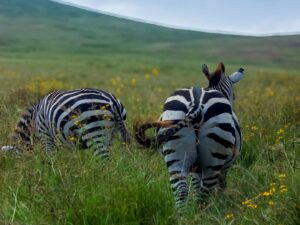
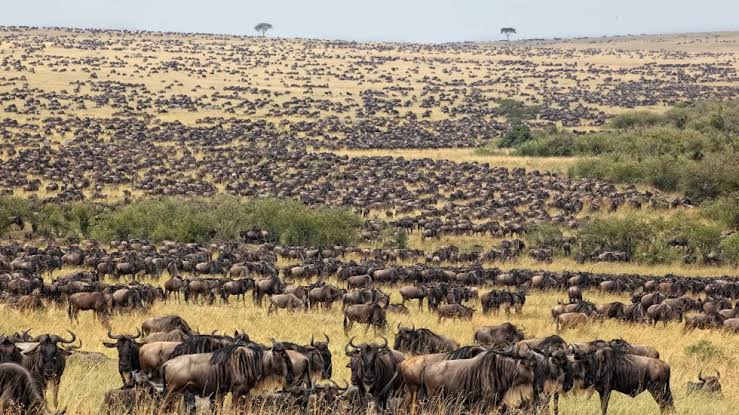
Any safari can promise wildlife. A true great migration safari promises movement the sense of being dropped into the middle of an event still unfolding, rather than a static wildlife park. Millions of wildebeest, alongside thousands of zebra and gazelle, travel in a roughly circular route through the Serengeti-Mara ecosystem, driven entirely by rainfall and the hunt for fresh grazing. There is no fixed schedule pinned to a calendar; there is only rain, grass, and instinct which is exactly why expert local timing matters so much more here than on almost any other kind of safari.
Glad Of Africa’s dedicated Great Migration Safaris are shaped around this rhythm rather than against it, tracking the herds through the Serengeti National Park and beyond so that every game drive lands somewhere the story is actually happening not somewhere it happened last week.
Following the Herds: How the Migration Moves Through the Year
To plan a great migration safari well, it helps to think of the year less as months and more as chapters:
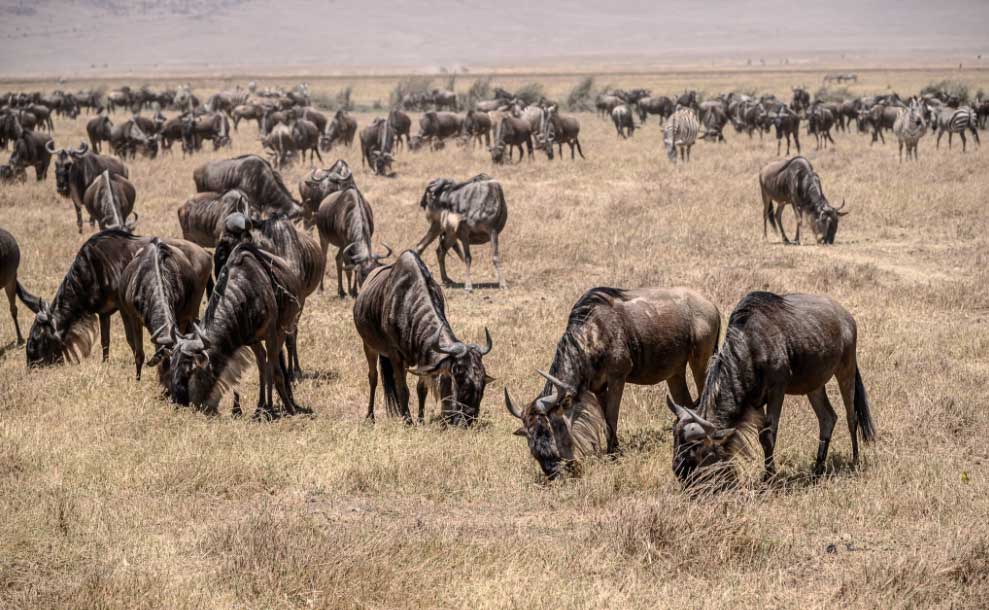
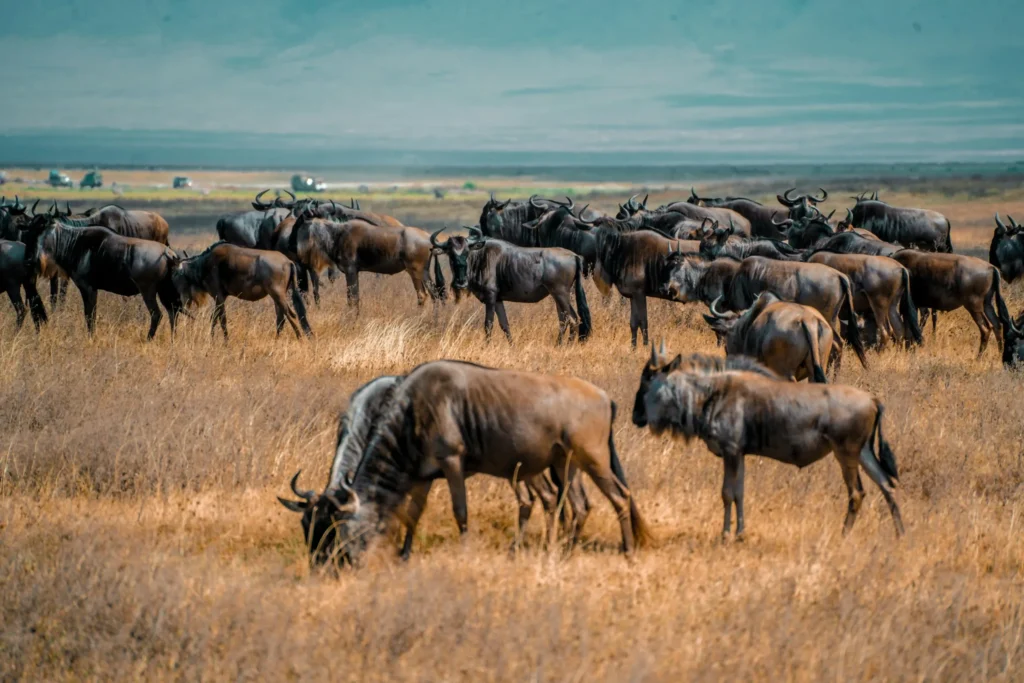
- December to March, Calving Season. The herds gather on the short-grass plains of the southern Serengeti and Ngorongoro Conservation Area, where thousands of calves are born within weeks of one another a strategy that overwhelms predators through sheer numbers. This is also when the drama is most concentrated: newborn wildebeest finding their legs within minutes, lions and hyenas never far behind.
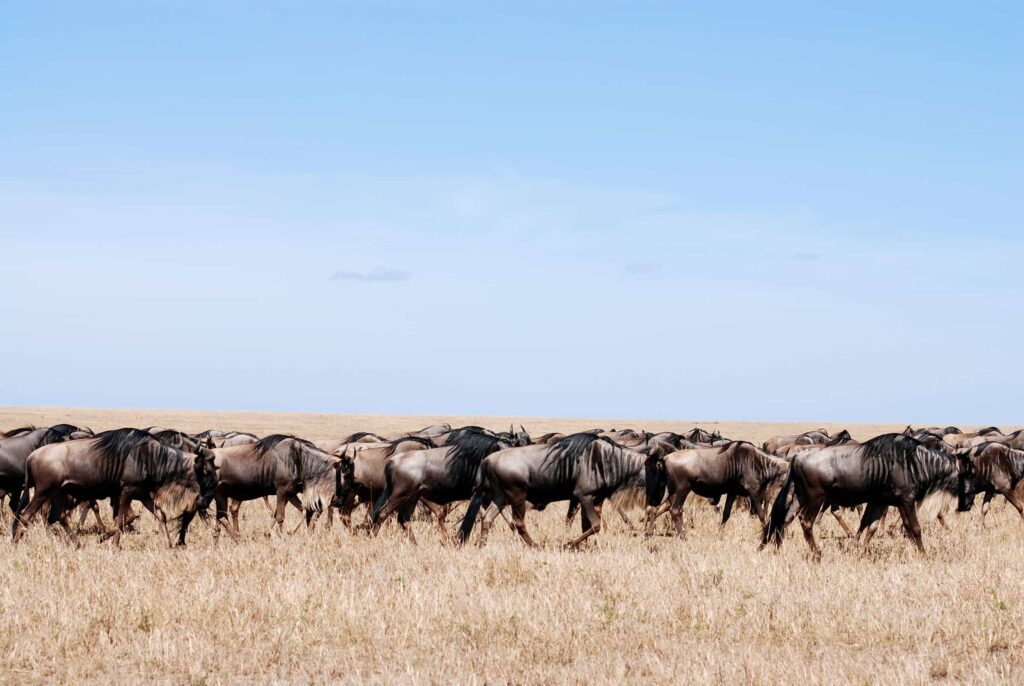
- April to June , The Long Trek North. As the southern plains dry out, the herds begin their journey toward the central and western Serengeti, moving in vast, dust-raising columns across open grassland.
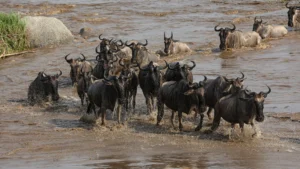
- July to October , River Crossings. The most famous and most dramatic chapter of the migration, as herds attempt to cross the Grumeti and Mara Rivers, where crocodiles wait beneath the surface and the far bank is never guaranteed. National Geographic Traveller has described the tension of this moment vividly: herds pausing at the water’s edge for hours, deciding, before the first animal finally leaps and the rest follow in a rush.
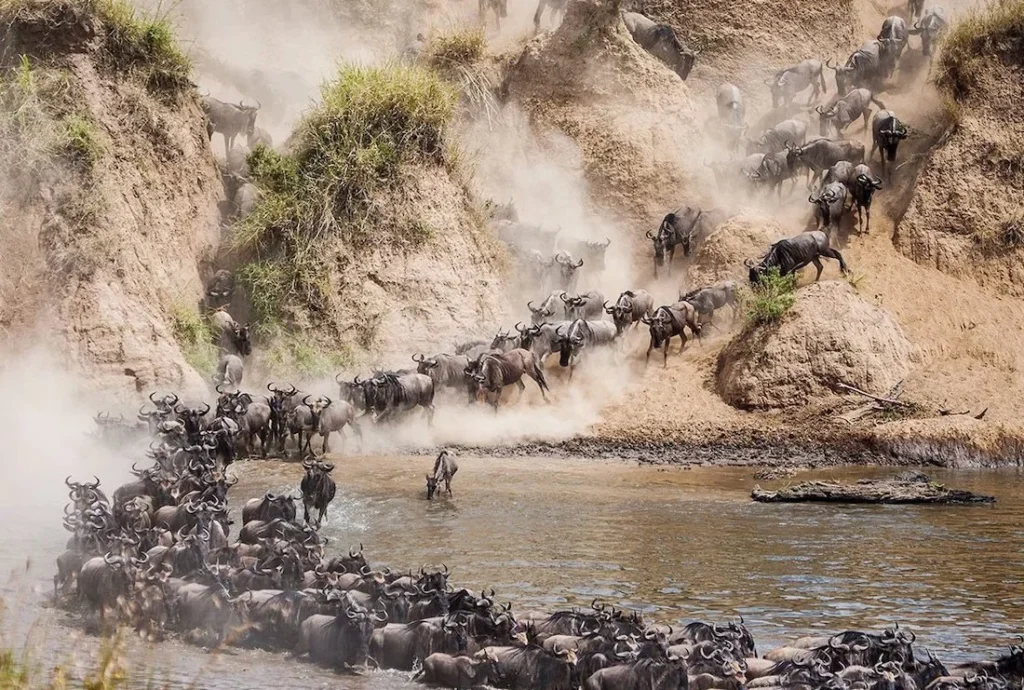
- November, The Turn South. As short rains return, the herds begin drifting back toward the southern plains, closing the loop and beginning the cycle again.
A well-timed wildebeest migration package positions travelers wherever this story is currently being told whether that’s the hush of a calving plain at dawn or the chaos of a river crossing at midday.
Beyond the Great Migration Safari: The Landscapes That Frame It
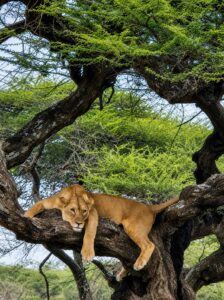
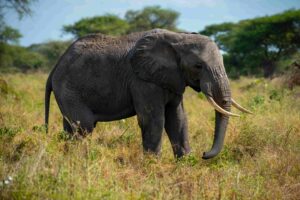
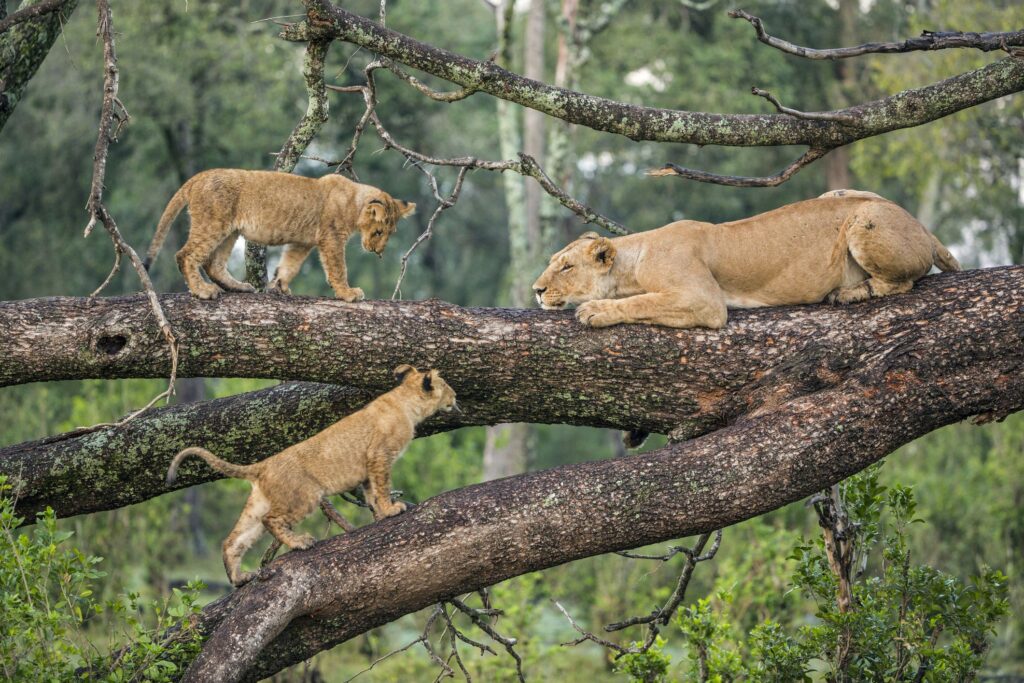
A great migration safari rarely lives inside a single park. Glad Of Africa often pairs the Serengeti with the Ngorongoro Crater, often called the Garden of Eden, where an entire self-contained ecosystem thrives inside the walls of an extinct volcano a striking contrast to the openness of the migration plains. Tarangire National Park, with its ancient baobabs and dense elephant herds, and Lake Manyara National Park, known for its tree-climbing lions, round out the Northern Circuit many migration itineraries are built around.
For travelers drawn to a story rather than a schedule, this Ngorongoro-to-Serengeti route reads like the natural next chapter after a morning spent tracing the herds from the enclosed drama of the crater to the open, unscripted plains beyond it.
Where the Wild Meets Comfort: Rest, Camps, and Quiet Luxury
The finest great migration safaris understand that luxury on safari isn’t measured in thread count alone it’s measured in how well a day in the bush is bookended. Waking to birdsong rather than an alarm, returning from a dusty afternoon game drive to a hot shower and a lantern-lit dinner, falling asleep to the distant call of a hyena rather than traffic these are the details that turn a wildlife trip into something travelers carry with them for years. Glad Of Africa’s Exclusive Fly-In Safaris are designed precisely for travelers who want this kind of unhurried, high-comfort access to remote migration territory without long overland drives between camps.

Beyond the Serengeti: Kilimanjaro and Zanzibar
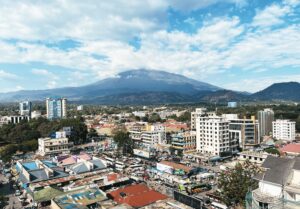
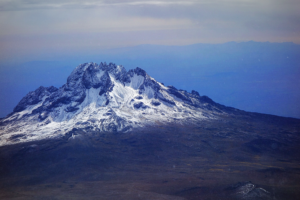
Many travelers extend a great migration safari in one of two directions. Some head upward, toward Mount Kilimanjaro and the wider world of Hiking & Trekking across the Crater Highlands and beyond trading the plains for altitude and a different kind of silence. Others head toward the coast, to Nungwi Beach or the quieter shores of Chumbe Island, where the story shifts from grassland drama to turquoise stillness. The Culture Trip’s guide to Zanzibar captures this contrast well a Swahili-Arab-influenced island world that feels, deliberately, like a different country from the Serengeti’s endless plains.
The Emotional Weight of Watching It Happen
Photographs of the Great migration Safari are everywhere but almost every traveler who has actually stood at the edge of a river crossing describes the same thing: how different it feels in person. It isn’t only the scale, though a herd stretching to the horizon is genuinely difficult to process the first time. It’s the tension the long pause before the first wildebeest commits to the water, the sudden surge that follows, the fact that nothing about the outcome is staged or guaranteed.
A great migration safari puts travelers inside that uncertainty rather than watching it after the fact on a screen, which is precisely why so many people describe it as one of the most emotionally overwhelming wildlife experiences on Earth.
This is also why pacing matters so much on a well-designed itinerary. Rushing between three river-crossing points in a single day in the hope of “catching” one produces a very different trip than settling into one well-chosen vantage point and simply waiting, the way the predators do. Glad Of Africa’s guides tend to favor the latter reading the herd’s behavior, the wind, and the crocodiles’ positioning rather than chasing a crossing that may or may not happen on cue.
A Note on Responsible Migration Viewing
Part of what makes the Serengeti’s migration remarkable is that, unlike many of the world’s other great animal movements, it has survived largely intact. That survival isn’t guaranteed. National Geographic’s reporting on river crossings has noted the growing strain of overtourism at the most famous crossing points, where dozens of vehicles crowding the riverbank can spook herds, block exit routes, and separate calves from mothers. A responsibly guided great migration safari one that limits vehicle numbers at a crossing, keeps a respectful distance, and is willing to wait rather than crowd protects both the animals and the quality of what travelers actually came to see. It’s a small operational choice with an outsized effect on both conservation and experience.
Widening the Circuit: Lesser-Known Parks Worth Adding
Travelers with more time sometimes extend a great migration safari beyond the Northern Circuit entirely. Arusha National Park, often overlooked in favor of its larger neighbors, offers an easy half-day add-on near the start or end of a trip, with giraffe, buffalo, and flamingo-lined crater lakes in view of Mount Meru. Further afield, Mkomazi National Park offers a quieter, less-visited alternative for travelers who want time away from other vehicles entirely a useful contrast after the inevitable crowds at a popular river crossing. For those willing to fly south, Tanzania’s Southern Circuit parks, including Nyerere National Park and Ruaha National Park, offer an entirely different, migration-free safari experience worth considering on a longer trip.
Photographing the Migration
Even travelers who don’t consider themselves photographers tend to come home with more images from a great migration safari than from any other trip they’ve taken. A few things make the difference between snapshots and images worth printing: shooting from a stopped, engine-off vehicle whenever possible to avoid motion blur and disturbance; positioning during the golden hour just after sunrise, when dust kicked up by the herd catches the light; and, at a river crossing specifically, resisting the urge to only photograph the leap itself the tension beforehand and the chaos immediately after often tell a fuller story.
Because the migration moves on its own clock, a great migration safari benefits enormously from local, current-season knowledge rather than a fixed itinerary booked a year in advance and left untouched. For travelers chasing a specific chapter of the story the birth of half a million calves, or the drama of a river crossing Glad Of Africa’s own field reporting on the 7-Day Ndutu Calving Season Safari breaks down exactly when and where to be for that particular scene, itinerary and costs included.
Travelers curious about the wider cast of the Serengeti beyond the herds themselves including its famous tree-climbing lions will find that predator behavior often tracks the migration just as closely as the wildebeest do, clustering wherever the herds currently graze.
Planning Ahead: A Broader Look at Tanzania Safaris
For travelers still weighing options across circuits, seasons, and parks, Glad Of Africa’s own Tanzania Safari Guide 2026–2027 offers a wider planning resource beyond the migration alone useful for anyone building a longer, multi-region Tanzania itinerary around a great migration safari as its centerpiece.
Ready-Made Great Migration Safari Itineraries
For travelers who’d rather start from a proven itinerary than build one from scratch, Glad Of Africa runs several set departures built specifically around the migration:
- 7 Days Wildebeest Migration Group Safari — a full week tracking the herds across the Serengeti’s core migration territory, priced for travelers joining a small group rather than booking fully private.
- 8 Day Northern Serengeti Mara River Crossing Safari — timed specifically around the July–October river crossing window, positioning travelers close to the Grumeti and Mara Rivers when the drama is at its peak.
- 6 Days Northern Serengeti Mara River Crossing Tour — a tighter, six-day version of the same river-crossing route for travelers with less time but the same appetite for drama.
- 6-Day Tanzania Big Five & Big Cat Group Safari — a shorter option for travelers who want strong predator sightings alongside migration viewing without committing a full week.
- 6 Days Ndutu Safari — focused on the Ndutu plains during calving season, where newborn wildebeest and concentrated predator activity make for some of the most dramatic game viewing of the year.
- 7 Days Ndutu Calving Season Safari — a fuller week built entirely around the same calving-season window, pairing Ndutu with time in the wider Serengeti-Ngorongoro area.
- 8 Days Experience Calving Season in Tanzania — an even more immersive calving-season itinerary for travelers who want to spend extended time with the herds during the birthing months rather than rushing through.
- 9 Days Serengeti Migration, Big Cats & Black Rhino Safari — the longest of the set departures, combining migration viewing with dedicated time for big cat sightings and a chance at spotting the rare black rhino in Ngorongoro.
Travelers who want something more tailored a private mid-range or fully luxury version of the same migration route, or a longer trip woven together with cultural experiences can browse the wider Migration Safaris collection, the budget-to-luxury itinerary library, or the full Ultimate Tours catalog to compare every option side by side before requesting a quote.
The People Behind the Journey
What separates a good migration safari from an unforgettable one is rarely the itinerary alone it’s the guide who knows, from years in the field, which valley holds the herd at 6am and which crossing point the crocodiles favor this particular week. Glad Of Africa Safari & Tours builds every journey around exactly this kind of local, current expertise. Learn more on the About Us page, browse Travel Tips from the team’s own field notes, or reach out directly through Contact to begin shaping your own great migration safari.
Begin Your Great Migration Safari
A great migration safari doesn’t end when the vehicle turns back toward camp. It lingers in the sound of hooves you can’t quite shake for months afterward, in the photograph of a river crossing you’ll show people for years, in the quiet certainty that you watched something ancient still happening exactly as it always has. Get a free quote and let Glad Of Africa turn this story into an itinerary with your name on it.