
 English
 Italiano
 Français
 Deutsch
 中文
 Temporada de partos 2027 7 días Desde USD 2,800 / persona
Safari de la temporada de partos en febrero, 7 días
Serengeti · Ngorongoro · Tarangire
Ver el itinerario: Safari de la temporada de partos en febrero, 7 días
Watch hundreds of thousands of wildebeest calves born on the southern Serengeti plains, with lions, cheetahs and hyenas close behind. Locally guided, tailor-made, from five days.
The Great Migration in birth
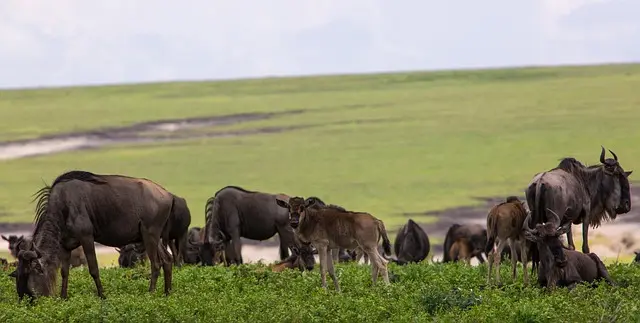
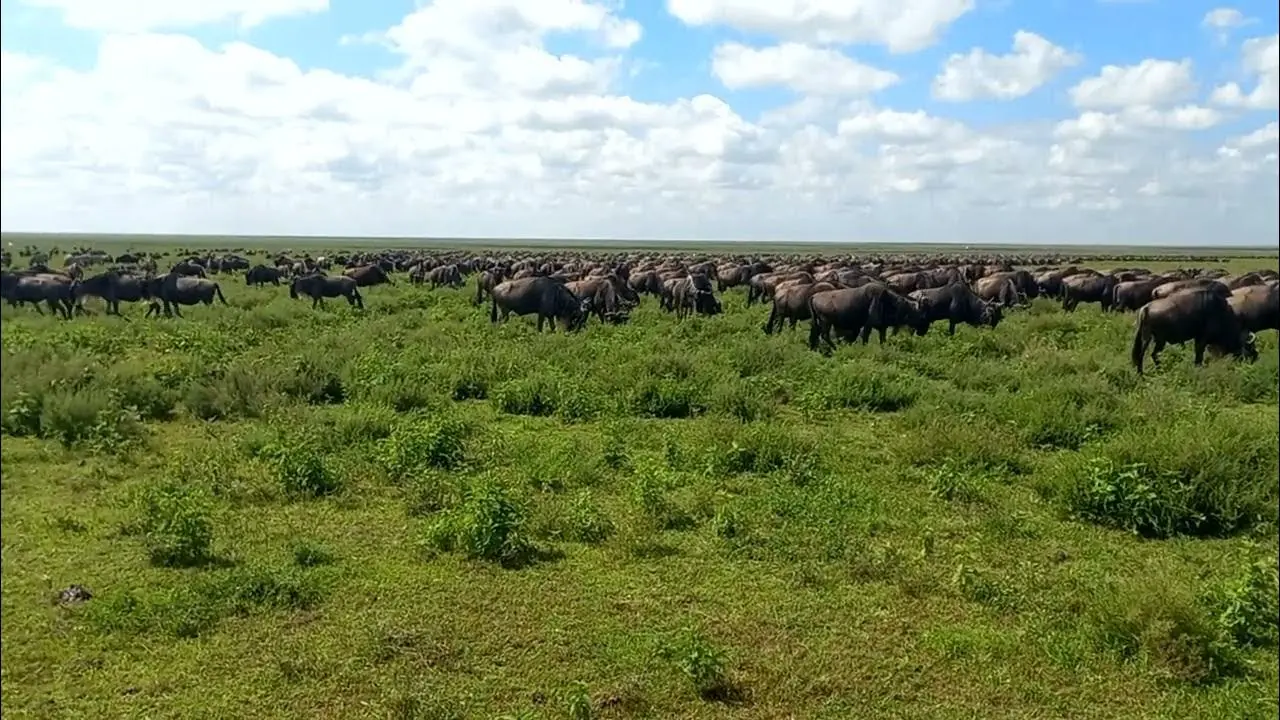
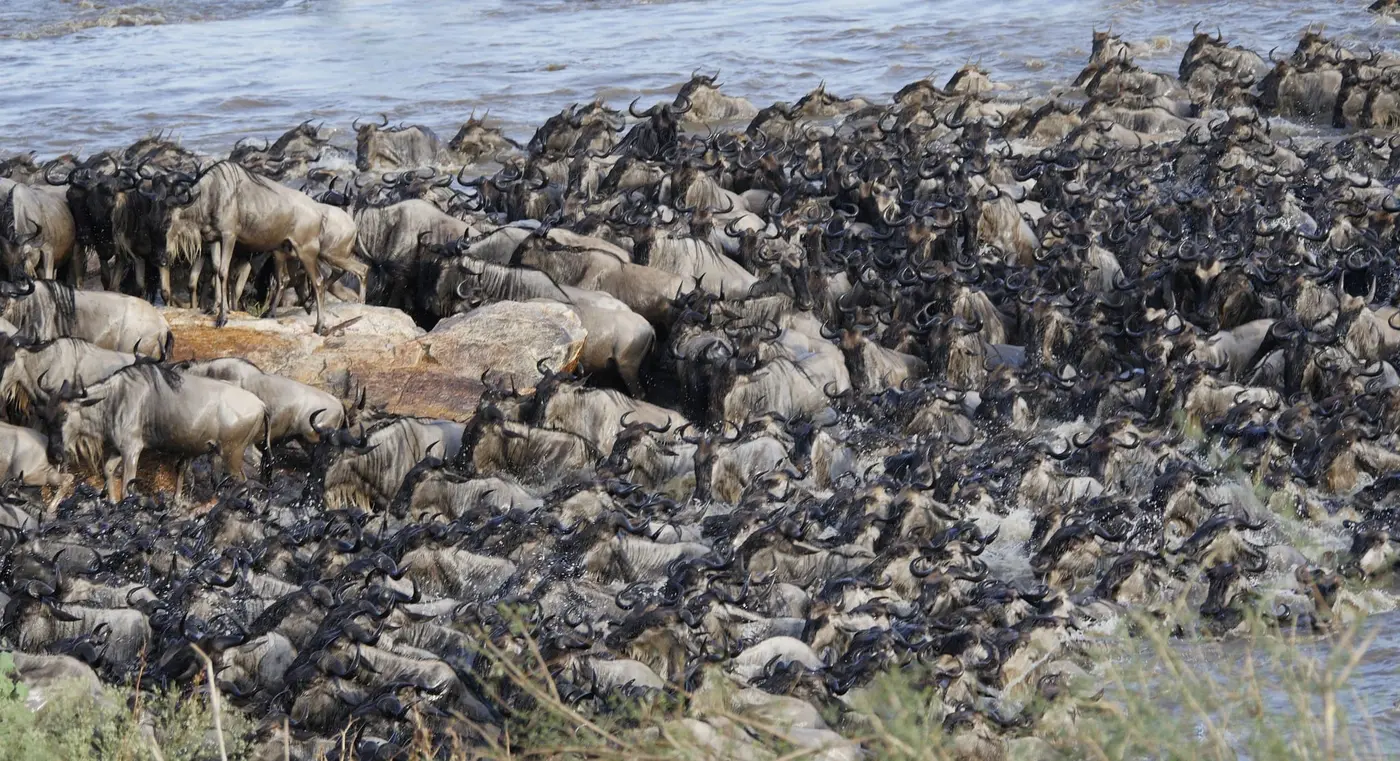
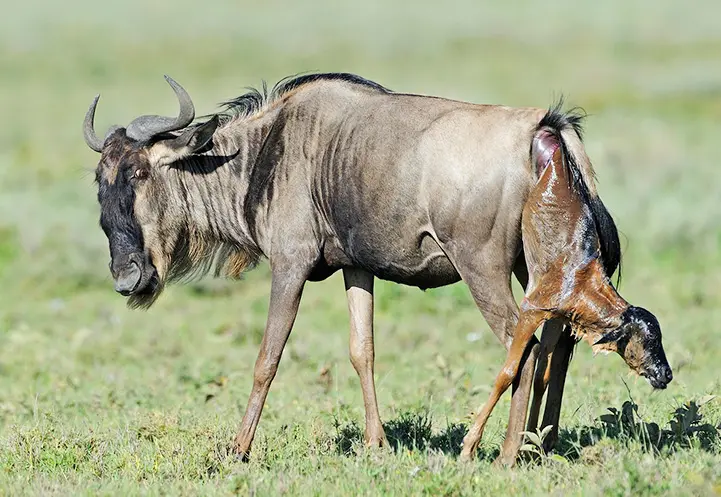
Every year, around one and a half million wildebeest gather on the short-grass plains around Lake Ndutu, in the southern Serengeti and the Ngorongoro Conservation Area. Within a few weeks, hundreds of thousands of calves are born. A calf can stand and run within minutes, and the sheer numbers help the herd survive.
It is one of the richest wildlife spectacles in Africa, and one of the best times of year for predators: lions, cheetahs, spotted hyenas, jackals and leopards all hunt the newborns. Read our complete guide to the Serengeti calving season for the full story.
Why go
The peak is usually February, when the plains are covered with herds and calves.
Lions, cheetahs and hyenas follow the herds, so sightings are frequent and often dramatic.
The short rains turn Ndutu green, with soft light and dramatic skies for photography.
Ndutu is quieter than the Mara River crossing areas, especially in late January and March.
Add the Ngorongoro Crater, Tarangire or Lake Manyara in one safari.
Our packages
Temporada de partos 2027 7 días Desde USD 2,800 / persona
Serengeti · Ngorongoro · Tarangire
Ver el itinerario: Safari de la temporada de partos en febrero, 7 días
Temporada de partos 2027 5 días Desde USD 2,600 / persona
 Temporada de partos 2027 7 días Desde USD 2,700 / persona
Serengeti · Ngorongoro · Tarangire
Ver el itinerario: Safari de 7 días en Ndutu: el gran nacimiento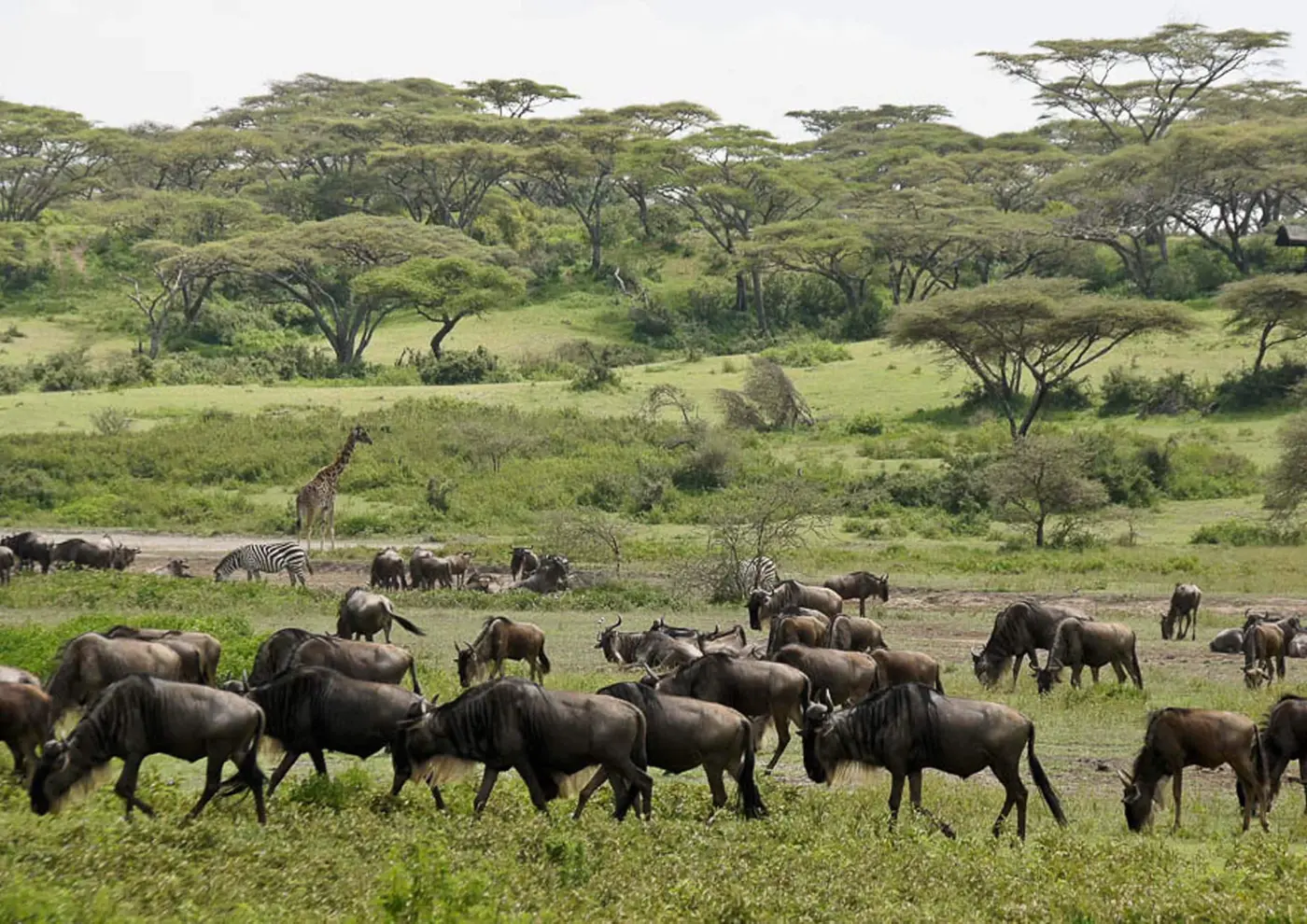 Temporada de partos 2027 6 días Desde USD 2,950 / persona
 Temporada de partos 2027 8 días Desde USD 4,500 / persona
Serengeti · Ngorongoro · Tarangire
Ver el itinerario: 8 días de temporada de partos en TanzaniaWhen to go
Not sure which month suits you? Read Ndutu in January, February or March, or tell us your dates and we will suggest the best plan.
Plan it well
We recommend at least five days, with two or three nights around Ndutu so your guide can follow the herds. Many itineraries add a night on the Ngorongoro Crater rim and a crater descent. See where to stay for the Ndutu calving season and what a calving safari costs.
Camps near Ndutu are small and fill up for January to March, often a year ahead. Book early for the best choice.
Preguntas
El punto álgido suele ser febrero; los nacimientos empiezan a finales de enero y siguen en marzo. La fecha exacta depende de las lluvias y cambia un poco cada año.
La zona de Ndutu, en el sur del Serengeti, y el Área de Conservación del Ngorongoro, junto con las llanuras de Kusini. Sus praderas de hierba corta acogen las manadas durante las semanas de partos.
Recomendamos al menos cinco días, con dos o tres noches en Ndutu. Seis o siete días permiten seguir las manadas y añadir Tarangire, el lago Manyara o el cráter del Ngorongoro.
Febrero es el mes más concurrido, pero las llanuras son enormes y un buen guía encuentra rincones tranquilos. Para ver menos vehículos, viaje a finales de enero o principios de marzo.
Miles de crías de ñu y cebra recién nacidas y los depredadores que las siguen: leones, guepardos, hienas manchadas, chacales y leopardos. La caza forma parte de la experiencia, así que no siempre es suave.
Nuestros paquetes de la temporada de partos parten de unos $2,600 por persona por cinco días. El precio depende de los días, el alojamiento y el tamaño del grupo. Pídanos presupuesto para sus fechas.
Vista por capas: las mañanas son frescas y el día cálido. Lleve un chubasquero ligero, sombrero, protector solar, prismáticos y una cámara con teleobjetivo. Ndutu está en la temporada verde, así que habrá algún chaparrón.
Sí. Muchos itinerarios pasan dos o tres noches en Ndutu y una en el borde del cráter, con descenso al cráter a la mañana siguiente. Vea nuestro safari de 5 días de partos en Ndutu y cráter del Ngorongoro.
Su viaje empieza aquí
Tell us your dates, group size and budget. A local safari expert replies with a tailored itinerary and a clear price.