English
 Italiano
 Français
 Deutsch
 中文

Glad Of Africa · · 1 min read · Planning
Both countries share the Great Migration. Here is how they differ in crowds, scenery, cost and the kind of tour you can build.
The short answer
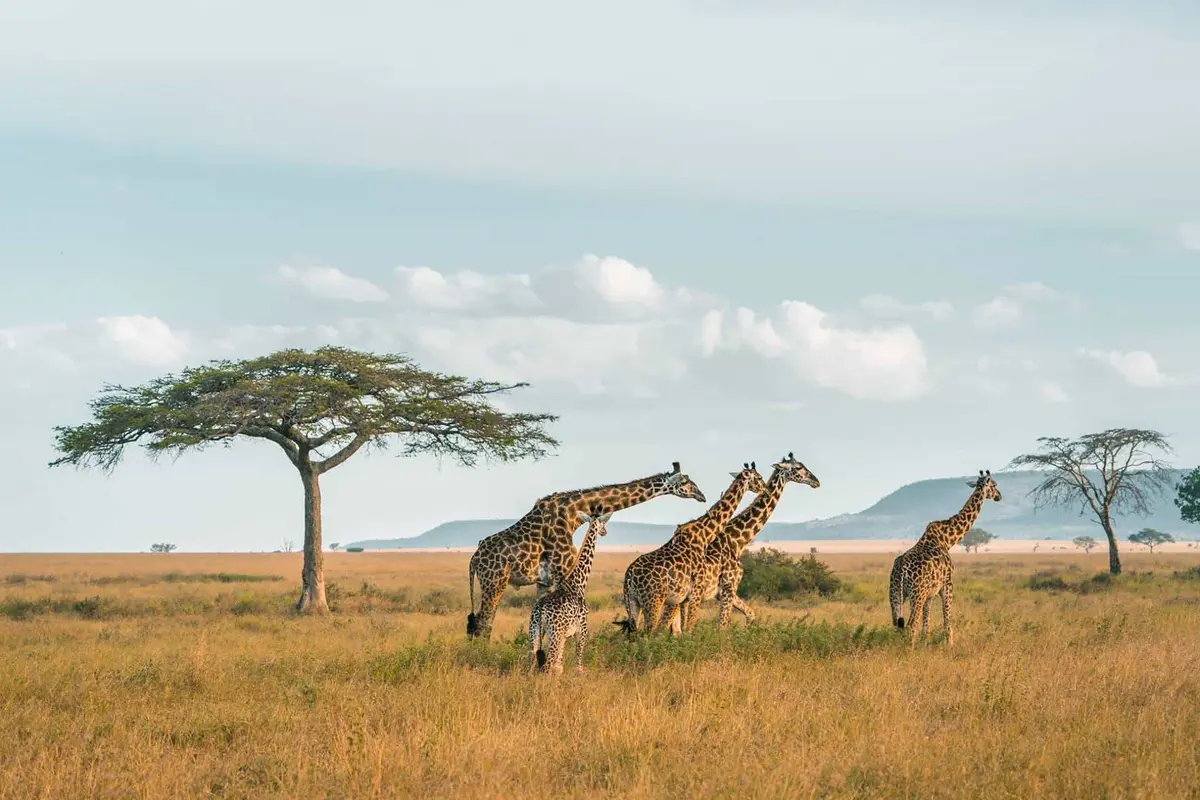
You cannot go wrong with either country, but they feel different. Tanzania is bigger, quieter and more varied, with the Serengeti, Cráter del Ngorongoro, Tarangire and the southern parks, plus Kilimanjaro and Zanzibar on the same safari. Kenya has the Maasai Mara and excellent conservancies close to Nairobi, which makes shorter tours easy.
The Great Migration
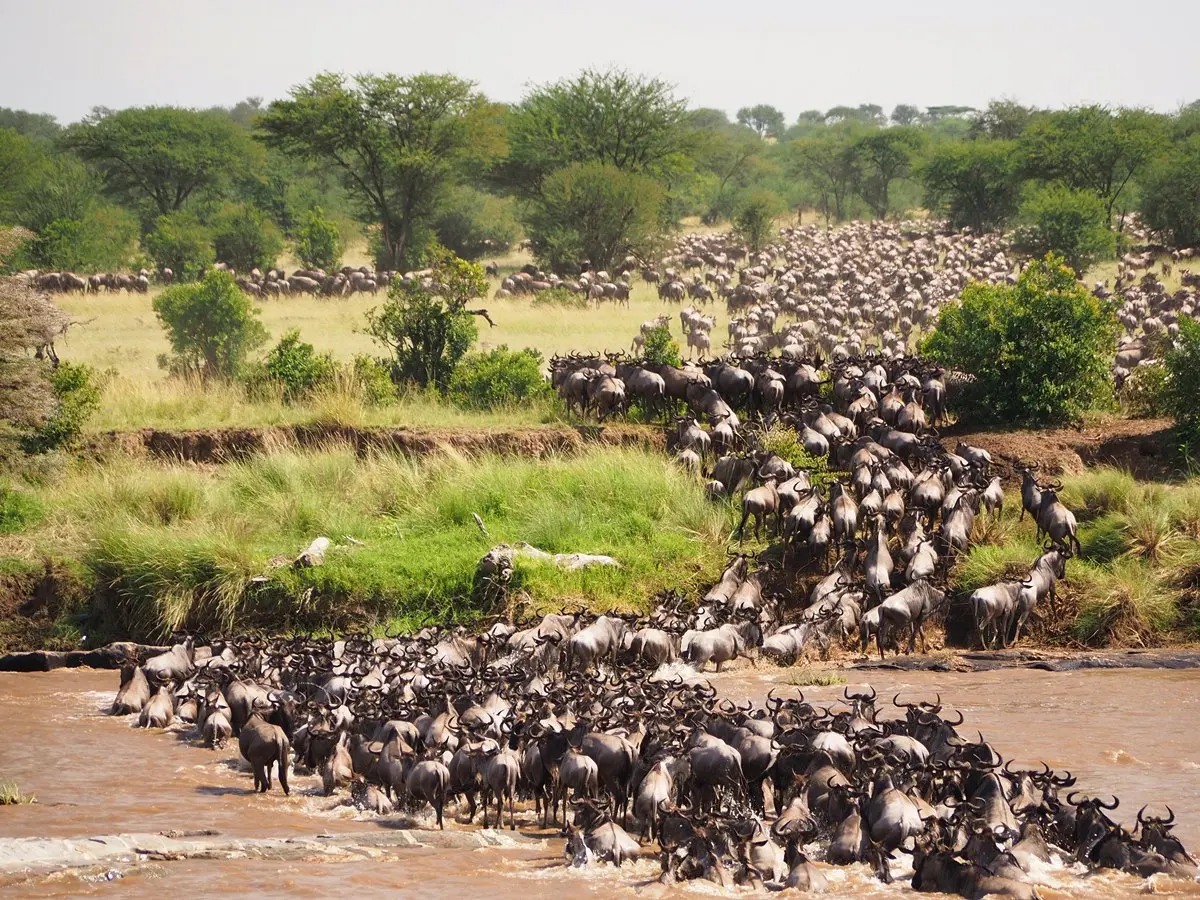
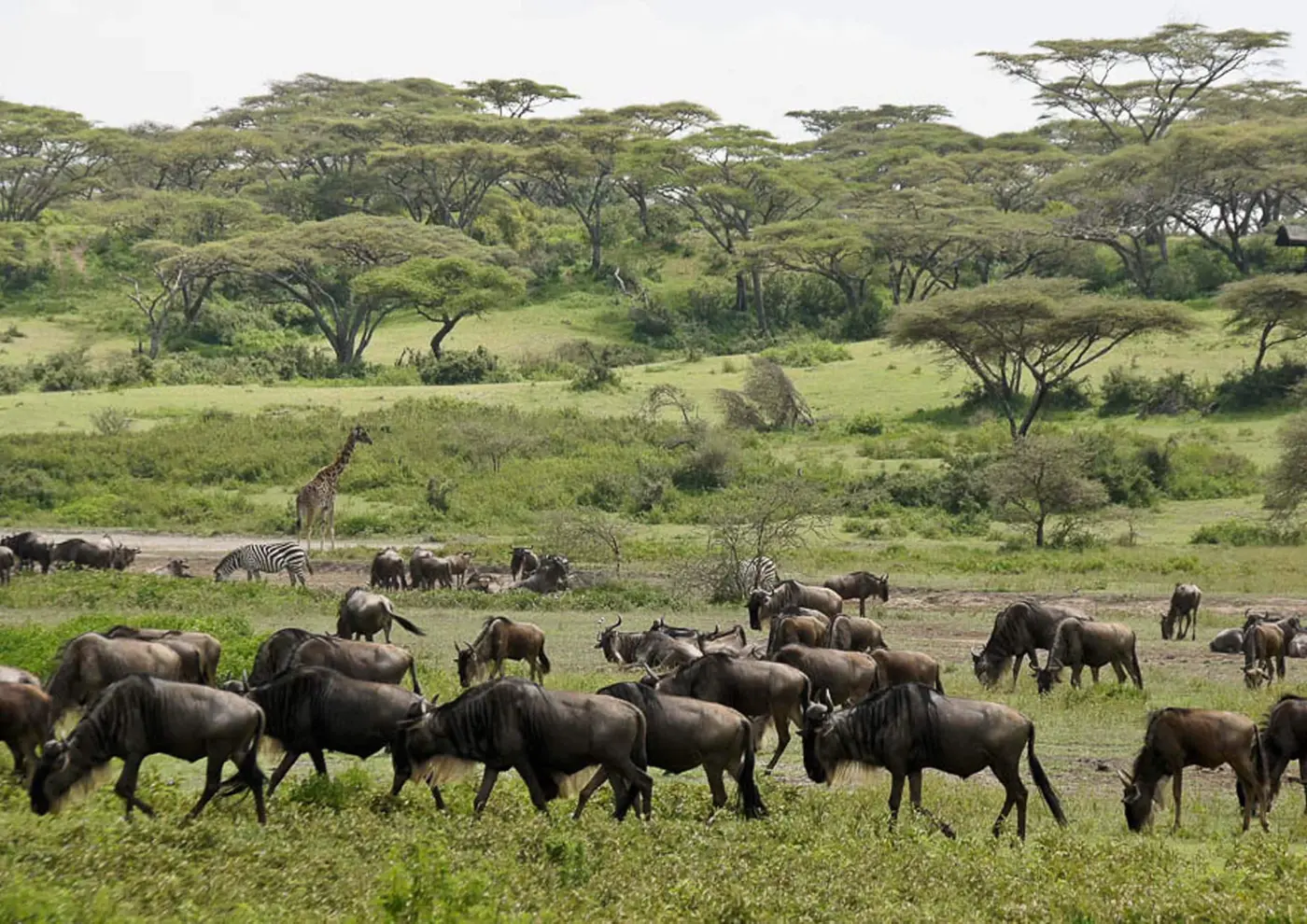
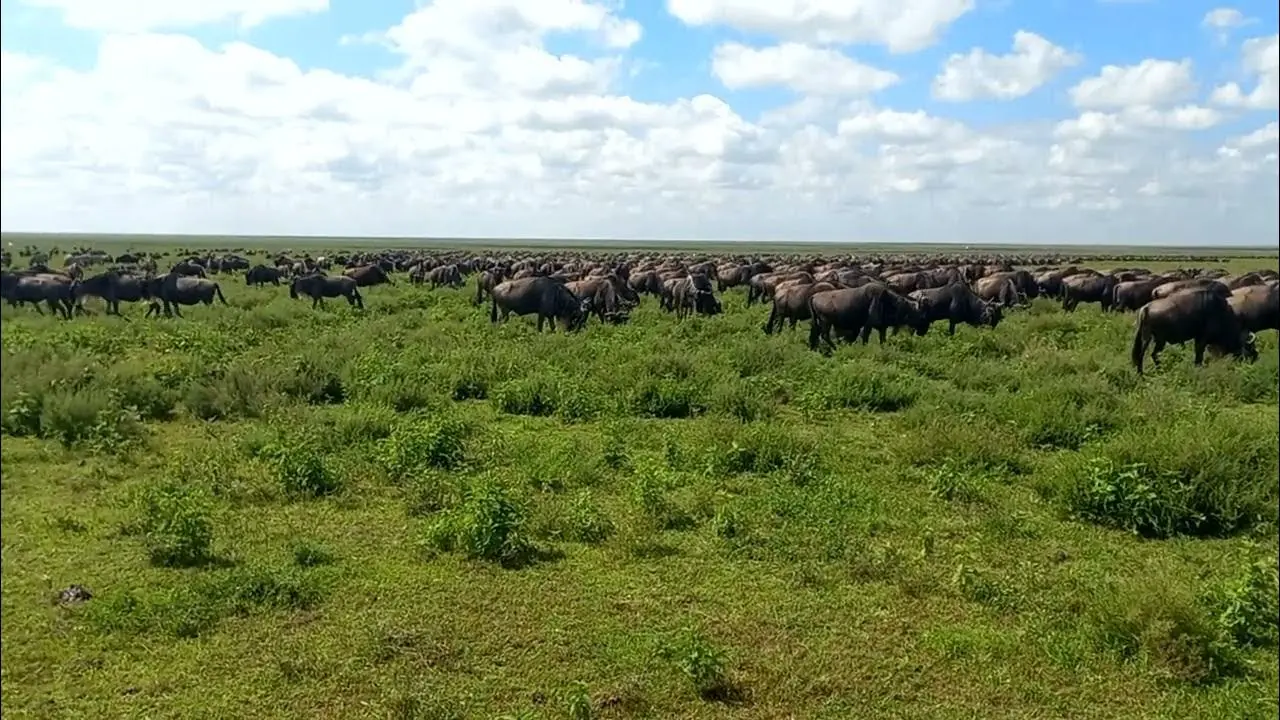
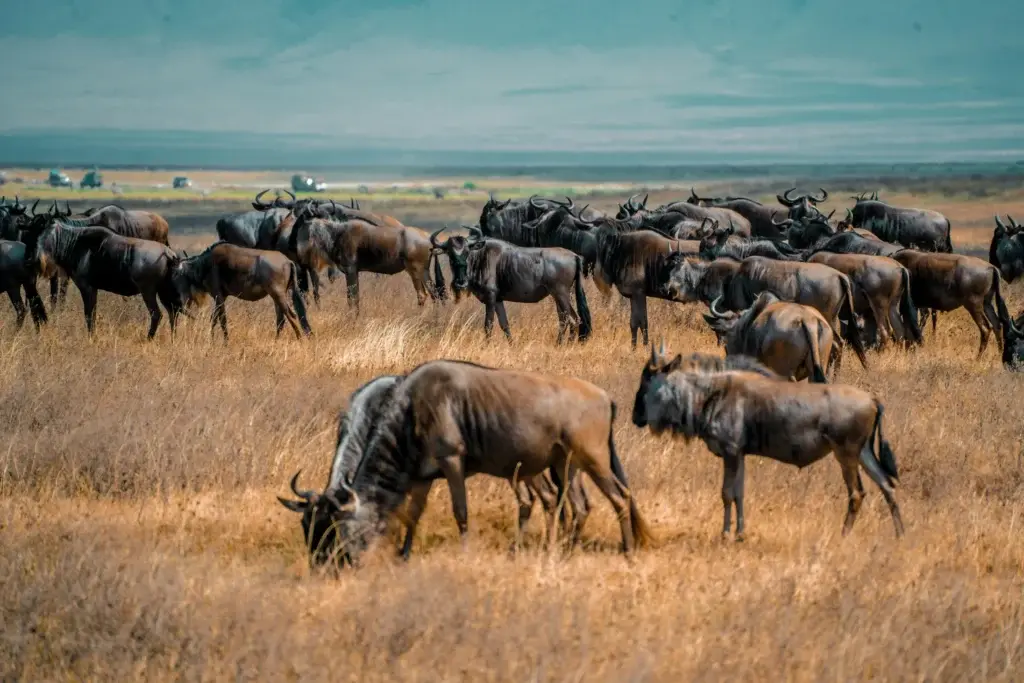
The herds cross between the two countries following the rains. Tanzania hosts them for most of the year: calving around Ndutu from January to March, the western corridor in May and June, and the northern Serengeti and Mara River crossings from roughly July to October. Kenya sees the herds in the Maasai Mara mainly from July to October. No operator can promise a crossing on a given day, so plan several days in the right area.
Crowds and feel
The Serengeti is vast, and in the central and northern sectors you can spend hours without seeing another vehicle. The Maasai Mara is smaller, and its famous river crossings can draw many vehicles at once. Conservancies in Kenya limit numbers, which improves the experience but raises the price.
Variety in one safari
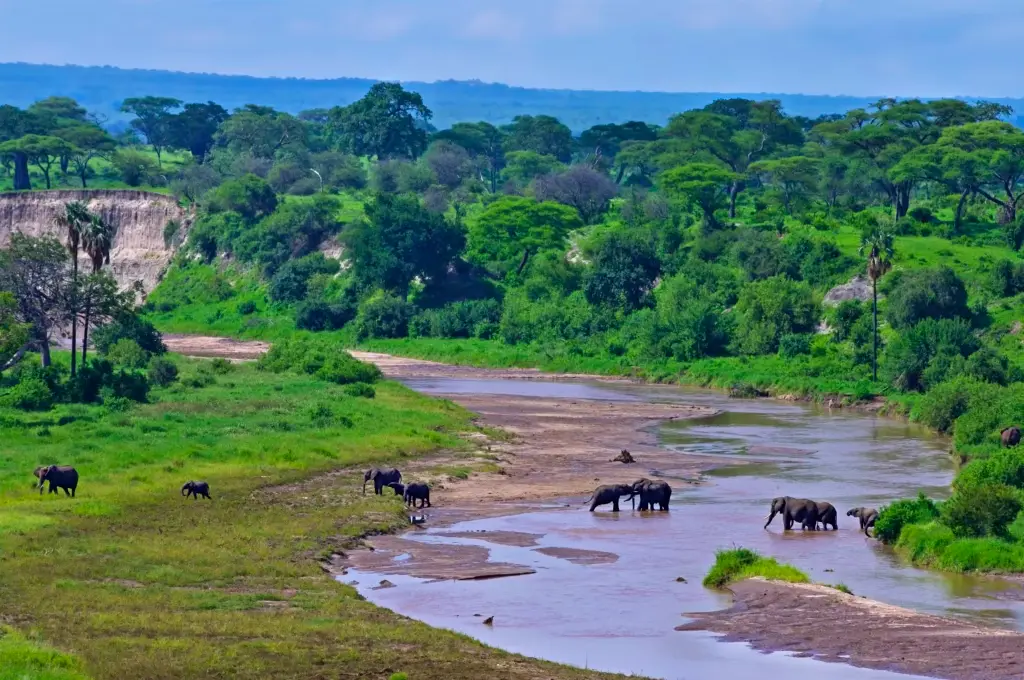
In Tanzania you can combine a safari with a crater descent, Tarangire's elephants and baobabs, a Maasai village visit and a few days on the beaches of Zanzibar. See our 10-day Tanzania safari and Zanzibar tour for an example.
Cost
Park fees and lodges drive the price in both countries. Tanzania has a wide range, from económico camping safaris to high-end fly-in camps. Compare what is included, such as park fees, vehicle, guide and meals, rather than the headline price alone.