The Western Serengeti, also known as the Western Corridor, is one of the most dramatic and seasonally dynamic regions of Serengeti National Park in northern Tanzania. Stretching toward Lake Victoria, this area is defined by river systems, rolling plains, and dense woodlands. It is best known for hosting one of the most intense phases of the Great Wildebeest Migration—particularly the Grumeti River crossings.
Compared to the busier Central Serengeti, the Western Serengeti offers a more remote and exclusive safari experience, especially outside peak migration months.
The Western Corridor features a diverse landscape that differs noticeably from the open plains of central Serengeti. The terrain includes:
Rolling grasslands
Riverine forests
Acacia woodlands
Seasonal floodplains
The Grumeti River and Mbalageti River are the lifelines of this region. These permanent water sources support wildlife throughout the dry season and create ideal ambush points for predators. The presence of thicker vegetation also provides habitat for species less commonly seen in the open plains.
The proximity to Lake Victoria influences the area’s climate, often making it slightly more humid compared to other regions of the park.
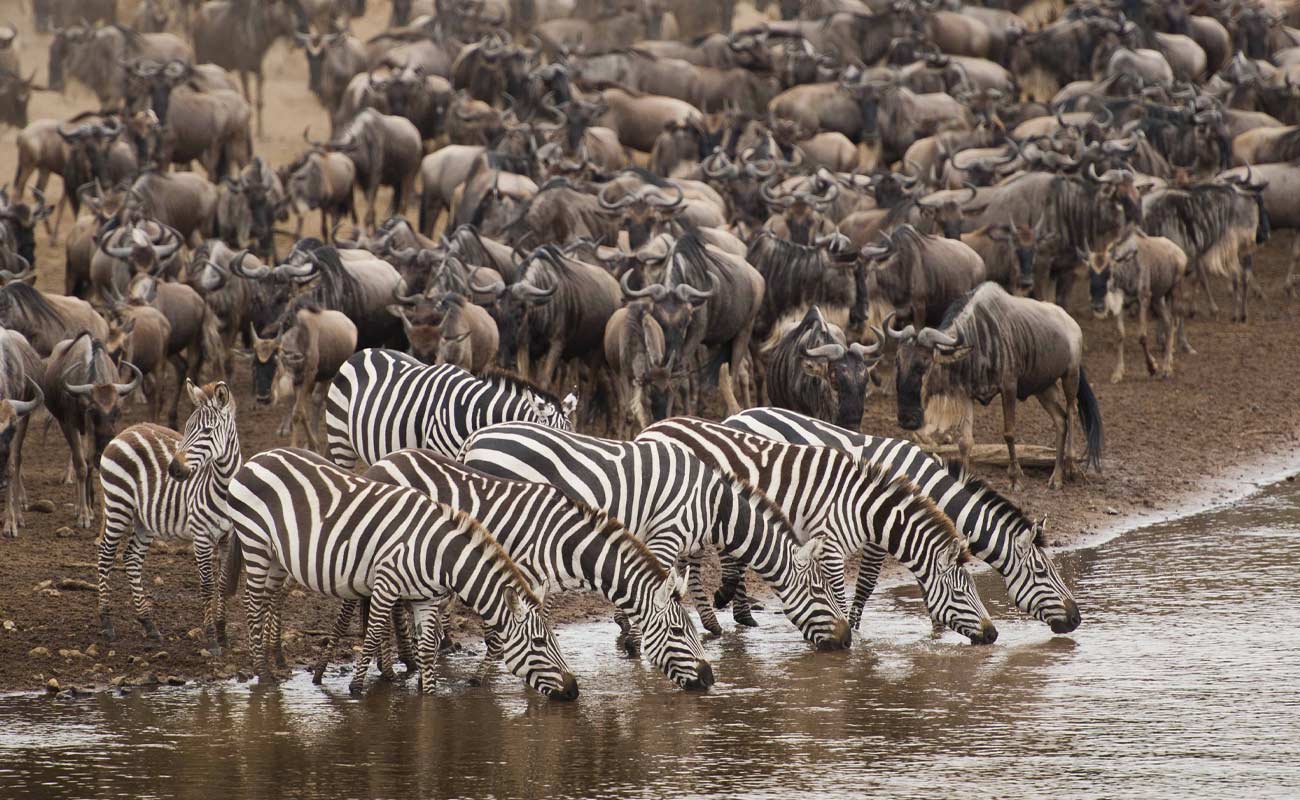
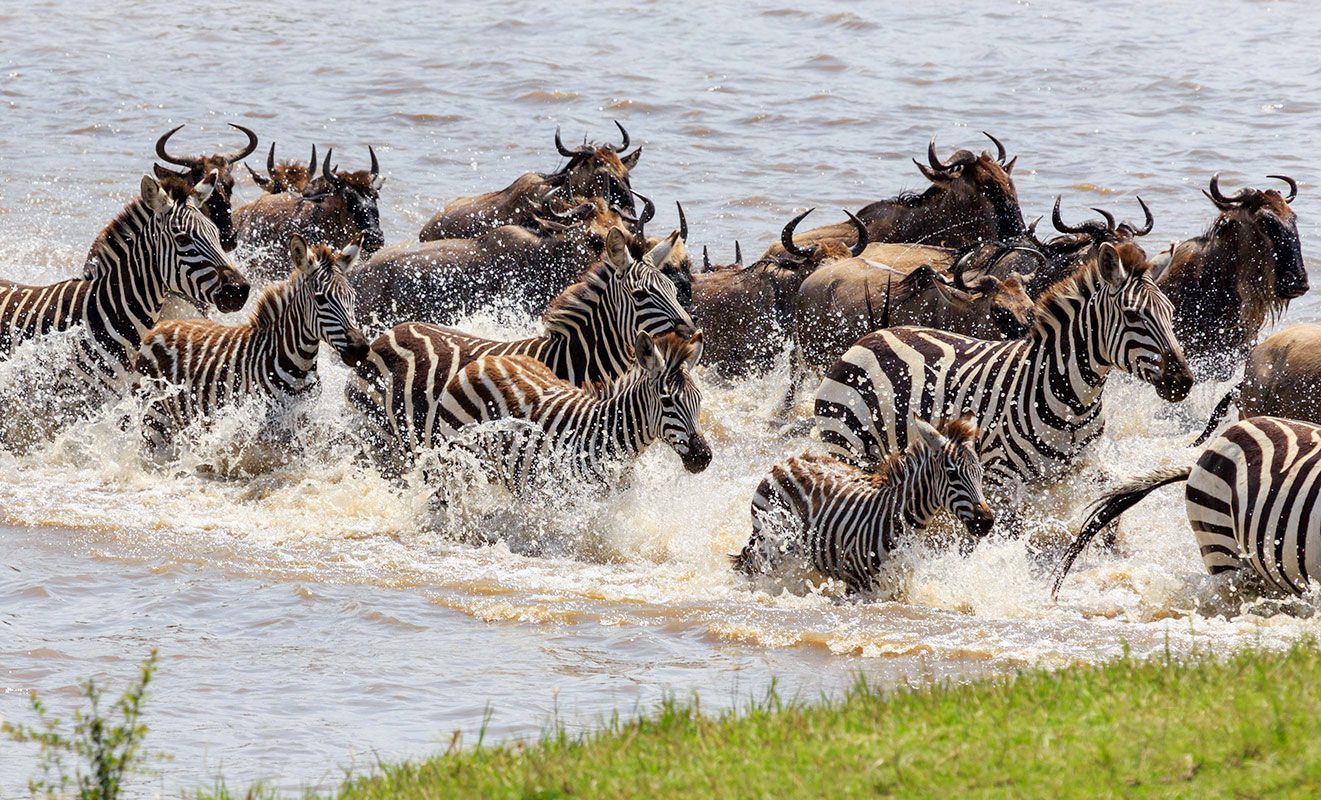
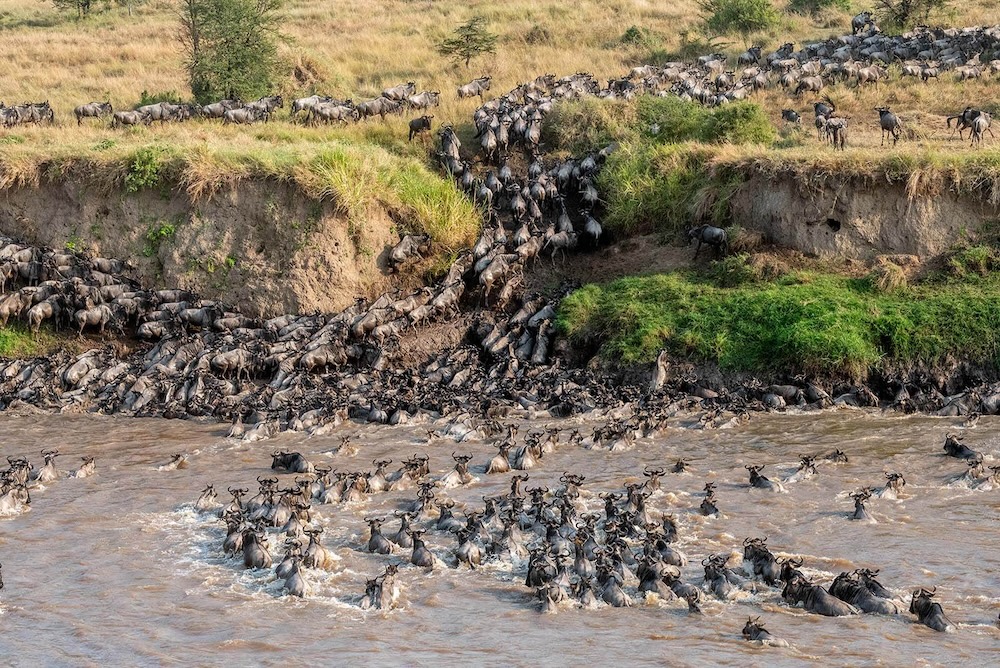
The Western Serengeti plays a crucial role in the migration cycle. Between May and July, vast herds of wildebeest and zebras move westward in search of fresh grazing. During this time, they face one of the migration’s most dramatic challenges: crossing the crocodile-filled Grumeti River.
Although often less publicized than the Mara River crossings in the north, the Grumeti crossings are equally intense and offer exceptional wildlife viewing opportunities. Large Nile crocodiles lie in wait, while predators such as lions and hyenas patrol nearby.
Outside migration season, wildlife remains present, but the region becomes quieter and more exclusive.
Wildlife and Biodiversity
Beyond the migration, the Western Serengeti supports a wide variety of wildlife, including:
Large prides of lions
Leopards in riverine forests
Elephants and buffaloes
Giraffes and topis
Hippos along the Grumeti River
The wooded habitat also makes this area suitable for colobus monkeys and other primates, which are less commonly found in the open plains.
Birdlife is abundant, particularly near river systems and wetlands, attracting fish eagles, kingfishers, and various water-associated species.
Safari Experience and Accommodation
The Western Serengeti is known for offering a more secluded safari atmosphere. Accommodation options are fewer and more widely spaced compared to the Central Serengeti, enhancing privacy and exclusivity.
Visitors can enjoy:
Guided game drives
Migration-focused safaris (seasonal)
Photographic safaris
Birdwatching
Due to its seasonal nature, the best time to visit is typically from May to July during the migration movement through the corridor.
Conservation and Ecological Importance
As part of the greater Serengeti ecosystem, the Western Corridor serves as a vital migration route linking the southern plains to the northern regions and Maasai Mara. Protecting this corridor is essential for maintaining the natural cycle of the Great Migration.
Sustainable tourism and conservation efforts help preserve wildlife habitats while supporting local communities surrounding the park.
The Western Serengeti offers a powerful combination of dramatic migration scenes, river ecosystems, and a quieter safari atmosphere. For travelers seeking a more exclusive experience particularly during the migration season the Western Corridor provides an exceptional opportunity to witness one of nature’s most remarkable spectacles in a less crowded setting.
Glad Of Africa Safari & Tours We offer Kilimanjaro treks, wildlife safaris, and Zanzibar beach holidays in Tanzania with a dedicated team committed to quality service and safety.
Talk to Us