

Standing at 5,895 meters (19,341 feet) above sea level, Uhuru Peak is the highest point in Africa and the ultimate destination for thousands of climbers every year. Perched on the snow-capped summit of Mount Kilimanjaro in northern Tanzania, it symbolizes determination, adventure, and one of the world’s greatest trekking achievements.
Unlike many of the world’s highest mountains, reaching the summit does not require technical climbing skills or mountaineering experience. Instead, success depends on proper preparation, good physical fitness, gradual acclimatization, and the support of experienced mountain guides. This accessibility has made Mount Kilimanjaro one of the world’s most popular high-altitude trekking destinations, attracting adventurers from across the globe.
Whether your goal is completing one of the famous Seven Summits, experiencing Tanzania’s breathtaking landscapes, or fulfilling a lifelong dream of standing on the Roof of Africa, this comprehensive guide covers everything you need to know for a successful Kilimanjaro climb.
Throughout this guide, you’ll discover the mountain’s geography, the best climbing routes, altitude challenges, weather conditions, essential preparation tips, and what to expect during the unforgettable summit experience.
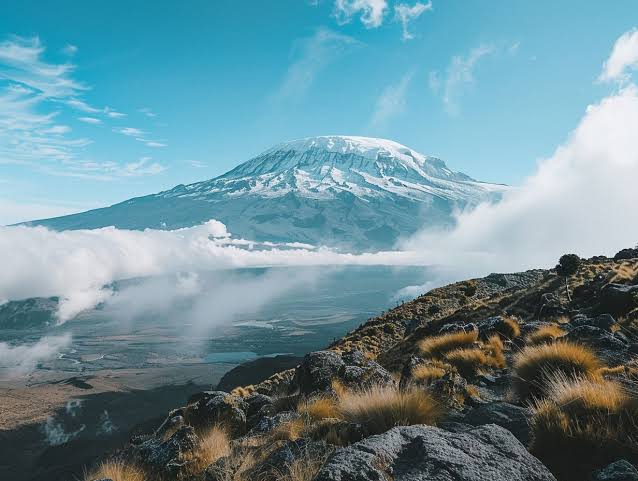
Uhuru Peak is the highest point on Mount Kilimanjaro and the highest elevation on the African continent. It is situated on the rim of Kibo Crater, the tallest of Kilimanjaro’s three volcanic cones. The name “Uhuru” means “Freedom” in Swahili. The summit was officially named Uhuru Peak in 1961 to commemorate Tanzania’s independence, making the name both geographically and historically significant.
Today, reaching the Peak is more than simply standing at the highest point in Africa. For many climbers, it symbolizes perseverance, resilience, and personal achievement after days of trekking through five unique ecological zones. Unlike technical alpine summits requiring ropes, ice axes, and advanced climbing skills, Kilimanjaro allows hikers to reach nearly 6,000 meters by following established trekking routes. This unique characteristic makes Uhuru Peak one of the world’s most accessible high-altitude summits.
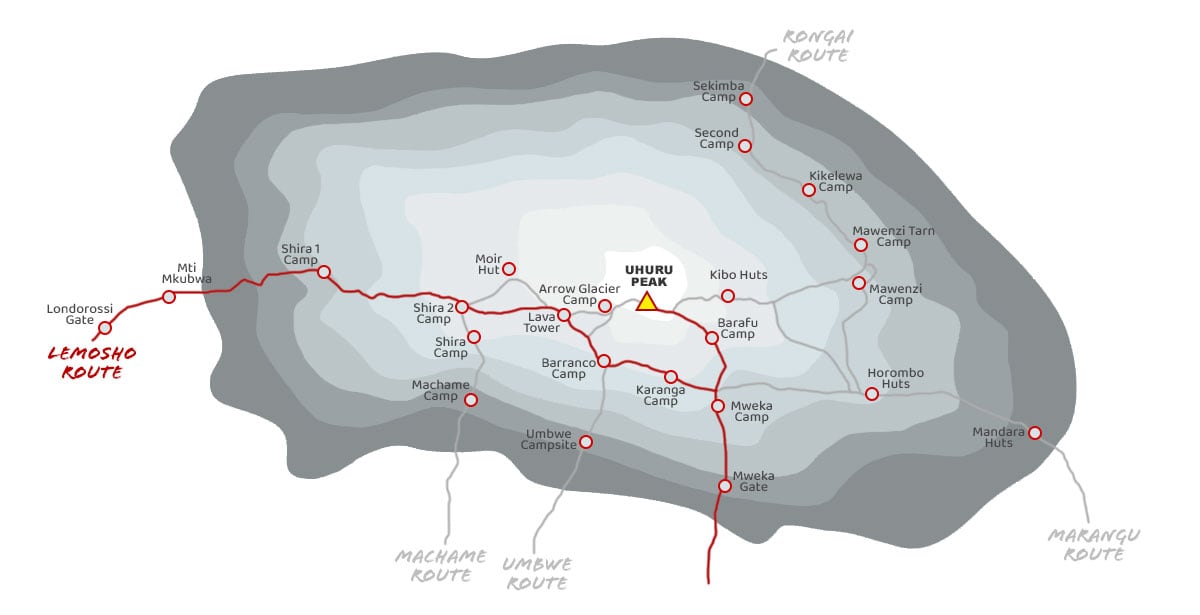
Uhuru Peak is located within Kilimanjaro National Park in northern Tanzania, close to the Kenyan border. The mountain rises dramatically above the surrounding plains and can often be seen from both Tanzania and Kenya on clear days.
Mount Kilimanjaro consists of three volcanic cones:
Uhuru Peak sits on the southern rim of Kibo Crater, overlooking breathtaking glaciers, volcanic landscapes, and endless African plains stretching toward the horizon.
Its strategic location within a protected national park ensures that climbers experience not only the summit but also one of the world’s most diverse mountain ecosystems.
Imagine the first rays of sunrise illuminating the glaciers as you take your final steps onto Uhuru Peak, the highest point in Africa. It's more than a climb — it's a life-changing achievement and a story you'll cherish forever. Let our experienced local team make your Kilimanjaro dream effortless.
Uhuru Peak is internationally recognized for several reasons that make it one of the world’s most iconic trekking destinations.
Standing on Uhuru Peak means standing at the highest natural point on the African continent. This distinction alone attracts climbers from around the world.
The Seven Summits challenge involves climbing the highest mountain on each continent. Because Kilimanjaro represents Africa, Uhuru Peak is a coveted achievement for mountaineers pursuing this prestigious goal.
Unlike many famous mountains, Kilimanjaro requires no ropes, harnesses, or technical climbing skills. With proper preparation and guidance, people from a wide range of ages and fitness levels successfully reach the summit each year.
One of Kilimanjaro’s most remarkable features is the rapid transition through different ecosystems during the climb. Trekkers journey through:
Few mountains in the world offer such dramatic environmental diversity over the course of a single trek.
Most climbers reach Uhuru Peak shortly after sunrise. Watching the first rays of sunlight illuminate glaciers, volcanic craters, and the African plains creates one of the most memorable moments of the expedition.
The golden light, crisp mountain air, and panoramic views make the summit experience unforgettable for photographers and adventure seekers alike.
Before Tanzania gained independence, the mountain’s highest point was commonly referred to as Kaiser Wilhelm Spitze during the German colonial period.
In December 1961, after Tanganyika achieved independence, the summit was officially renamed Uhuru Peak, reflecting the nation’s newfound freedom and optimism. Since then, the summit sign has become one of Africa’s most photographed landmarks, symbolizing both national pride and personal accomplishment.
Today, standing beside the Uhuru Peak sign marks the successful completion of a remarkable journey that combines physical endurance, cultural significance, and the beauty of one of Africa’s greatest natural wonders.
Every year, tens of thousands of trekkers travel to Tanzania with a single objective: reaching Uhuru Peak.
For some, it is about completing the Seven Summits challenge. For others, it is a once-in-a-lifetime adventure, a personal milestone, or a chance to experience one of the world’s most famous trekking routes.
The journey itself is as rewarding as the destination. Climbers pass through lush rainforests alive with birds and monkeys, cross open moorlands dotted with giant groundsels, traverse dramatic alpine deserts, and finally step into an arctic summit environment unlike anywhere else in Africa.
Combined with the warmth and expertise of Tanzanian mountain guides, the welcoming culture of local communities, and the breathtaking scenery of Kilimanjaro National Park, the climb offers an experience that extends far beyond reaching the summit.
For many travelers, the moment they stand beneath the iconic Uhuru Peak sign is not just the end of a trek—it is the realization of a dream that will stay with them for a lifetime.
Talk to Us