Eastern Serengeti

Eastern Serengeti (Gol Kopjes & Barafu): A Remote Predator Paradise

The Eastern Serengeti, encompassing the Gol Kopjes and Barafu regions, is one of the most remote and scenic areas of Serengeti National Park. Known for its dramatic rocky outcrops, open short-grass plains, and exceptional predator activity, this region offers a quieter and more exclusive safari experience. Its vast, less-traveled landscapes make it particularly appealing to returning safari guests, photographers, and those seeking an authentic wilderness atmosphere.

Landscape and Geological Features

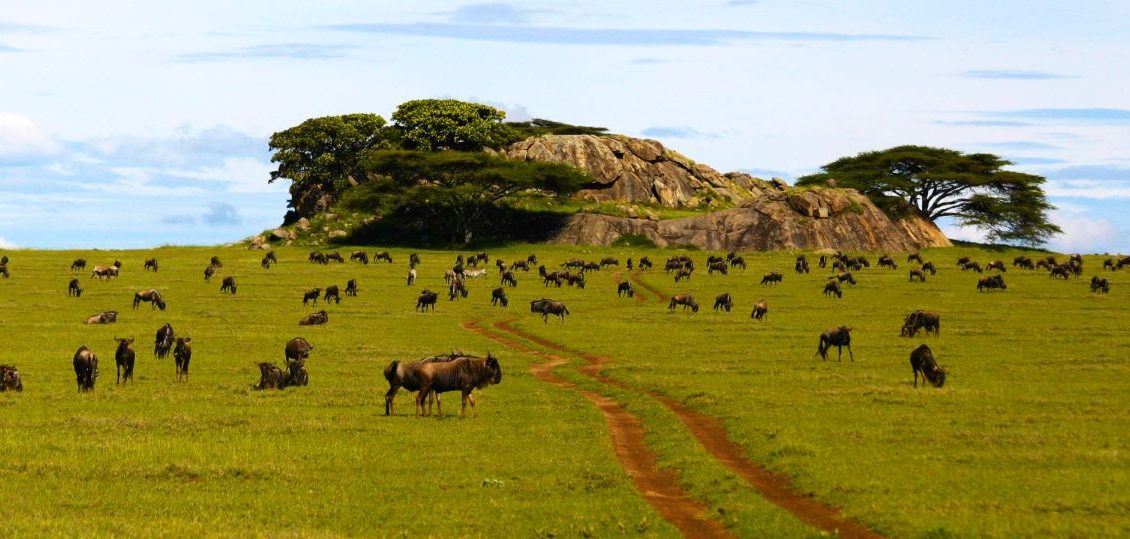
The defining feature of the Eastern Serengeti is the Gol Kopjes—massive granite rock formations rising abruptly from the plains. These ancient outcrops provide elevated vantage points for predators and serve as shelter during extreme weather conditions.

The surrounding plains consist primarily of short grass, similar to the southern Serengeti, making wildlife easier to spot due to open visibility. The Barafu area, located further east, is characterized by expansive, untouched savannah with minimal tourist traffic.

The region’s semi-arid environment supports hardy vegetation and offers striking panoramic views, particularly during sunrise and sunset when the kopjes glow in warm golden tones.

Predator Activity and Wildlife

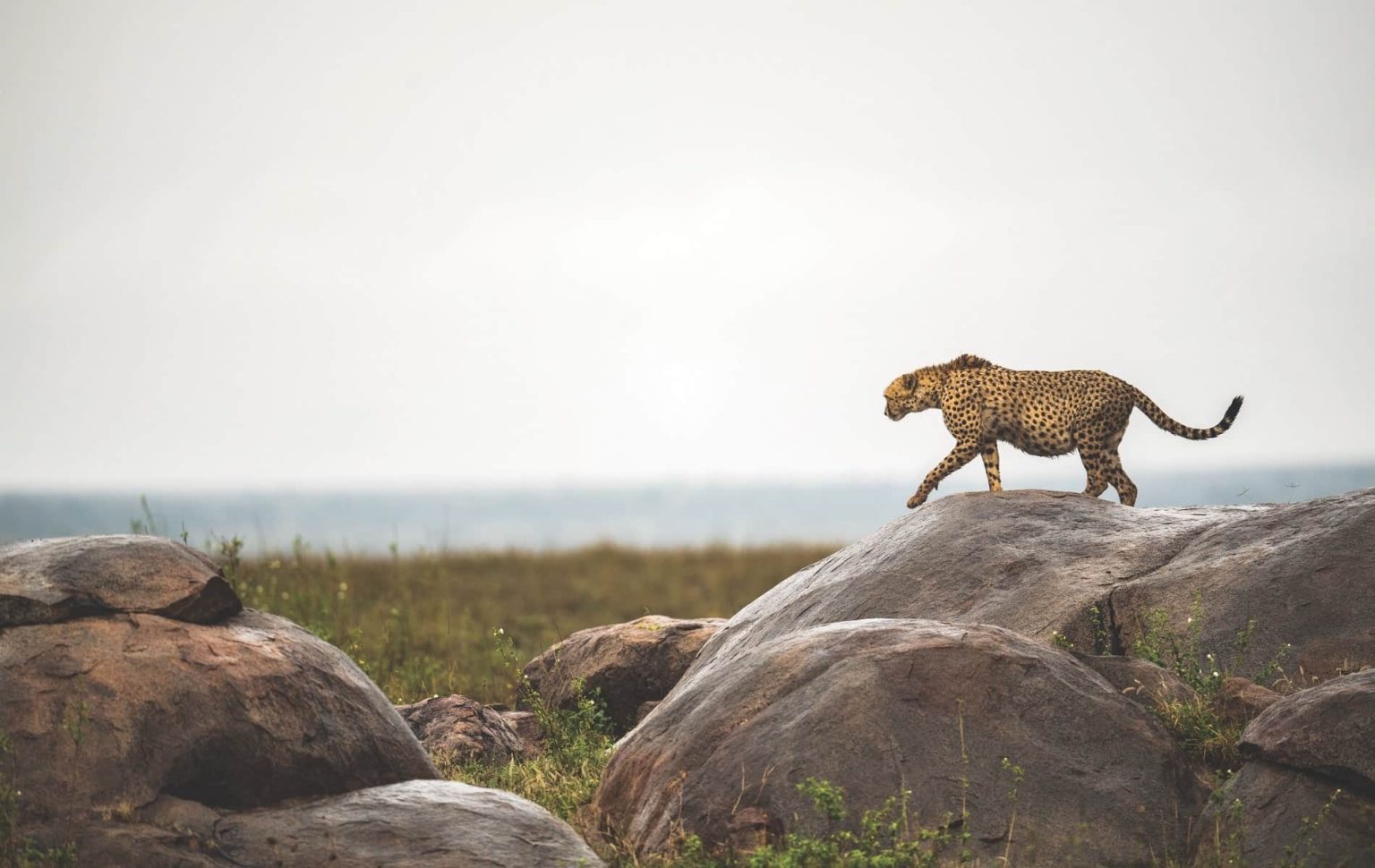
The Eastern Serengeti is widely regarded as one of the best locations in the park for predator sightings. The combination of rocky kopjes and open plains creates ideal hunting conditions.

Key wildlife highlights include:

  • Cheetahs, frequently seen using termite mounds and kopjes as observation points
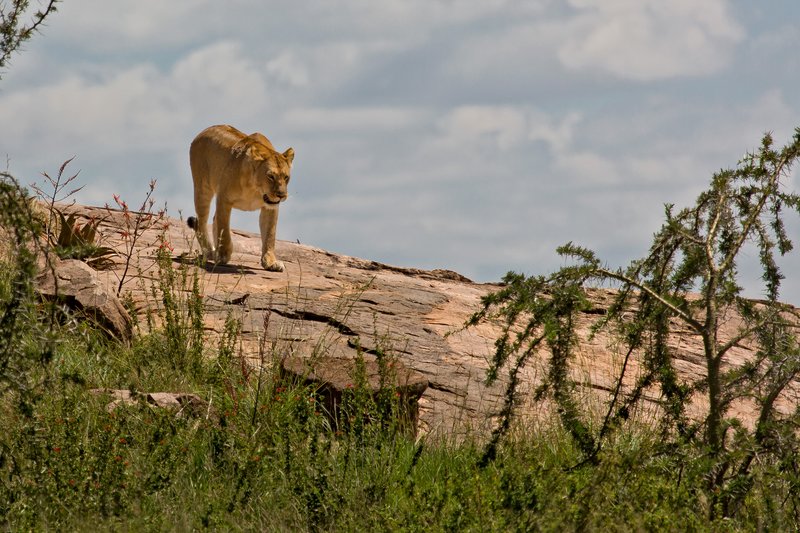
  • Lions, often resting among the rocks or patrolling the plains
  • Leopards, occasionally spotted in rocky crevices and nearby trees
  • Hyenas and jackals, active scavengers in the region

During certain months, particularly between December and March, large herds of wildebeest and zebras move through nearby southern plains for calving season. This abundance of prey attracts high concentrations of predators, resulting in dynamic wildlife interactions.

Other resident species include giraffes, gazelles (especially Thomson’s and Grant’s), topis, ostriches, and various raptors that patrol the skies above.

The Calving Season Connection

The Eastern Serengeti lies close to the southern Serengeti plains, where the Great Migration gathers during the calving season. From late December through March, thousands of wildebeest give birth within a short period, creating one of the most dramatic wildlife spectacles in Africa.

Although the densest calving activity occurs slightly south of Gol Kopjes, the Eastern Serengeti benefits from increased predator movement and exceptional game viewing during this time.

Safari Experience and Accessibility

Due to its remote location, the Eastern Serengeti receives fewer visitors compared to the Central or Western regions. This results in:

  • Less vehicle traffic
  • Exclusive wildlife sightings
  • Greater privacy at sightings
  • Ideal conditions for photography

Accommodation in this area typically consists of seasonal mobile camps and a limited number of permanent tented camps designed to blend into the environment.

Game drives are the primary activity, with early morning and late afternoon drives offering the best opportunities for predator encounters.

Conservation and Ecological Value

The Eastern Serengeti forms a critical part of the greater Serengeti ecosystem, serving as a seasonal grazing and hunting ground. The preservation of this remote landscape ensures the continuation of natural predator-prey dynamics and supports the broader migration cycle.

Limited development and controlled tourism help maintain the region’s ecological integrity and wilderness character.


The Eastern Serengeti, particularly the Gol Kopjes and Barafu areas, offers a raw and untamed safari experience. With its striking rock formations, expansive plains, and remarkable predator activity, it stands out as a premier destination for travelers seeking solitude, dramatic scenery, and exceptional wildlife encounters.

For those looking to explore beyond the more frequented regions of the Serengeti, the Eastern Serengeti provides an unforgettable and deeply immersive journey into Tanzania’s wild frontier.

 
Â