

Stone Town, the historic core of Zanzibar City, is one of East Africa’s most captivating tourism destinations. Recognized as a UNESCO World Heritage Site, this ancient town is a living museum of culture, history, and architecture. With its winding alleys, carved wooden doors, bustling markets, and oceanfront views, Stone Town offers visitors a unique blend of African, Arab, Indian, and European influences that define Zanzibar’s identity.
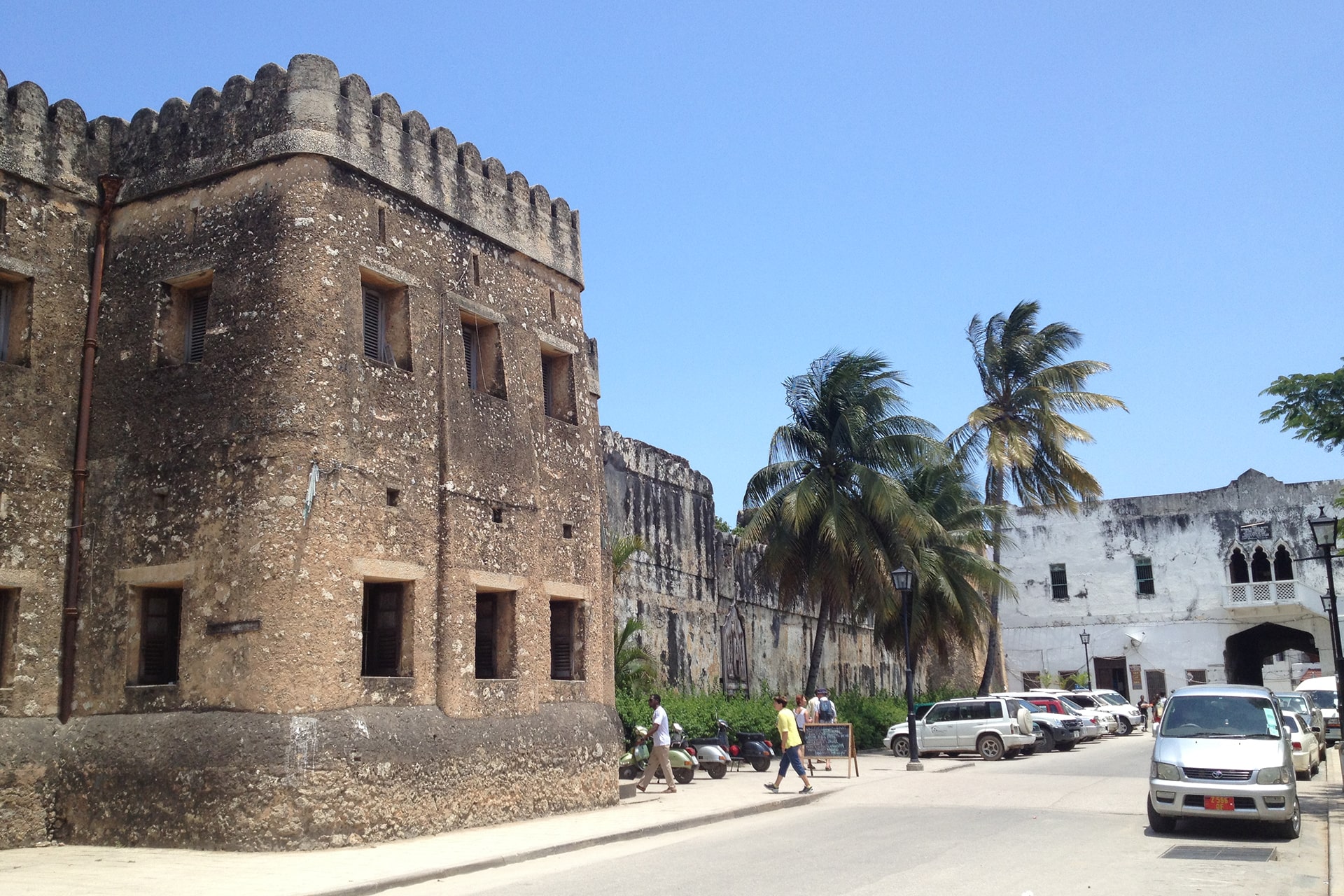
Stone Town’s history dates back centuries, serving as a major trading hub along the Indian Ocean. It was once the center of the spice trade and, later, the East African slave trade. Today, many of its historic buildings still stand, telling stories of commerce, culture, and colonial rule.
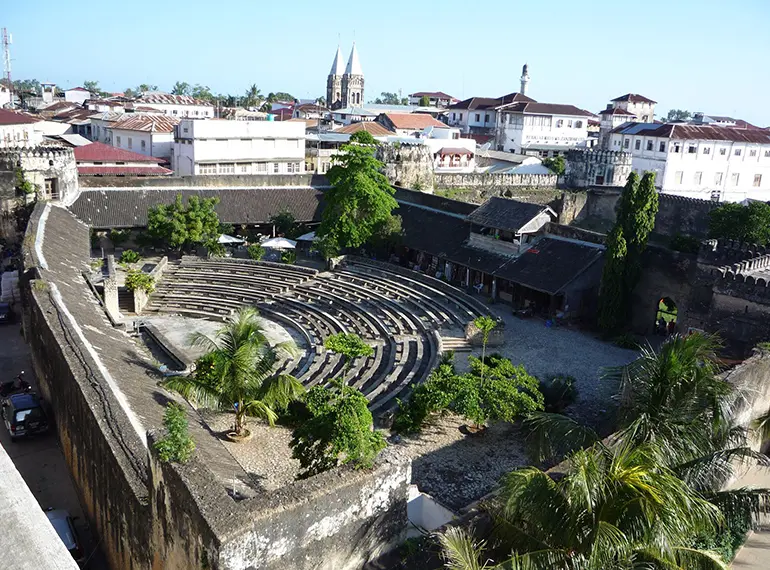
Tourists can visit key landmarks such as the Old Fort (Ngome Kongwe), built in the 17th century by Omani Arabs, and the House of Wonders (Beit-al-Ajaib), once the grandest building in East Africa. The former Slave Market site, now home to the Anglican Cathedral, is a powerful historical attraction that educates visitors about Zanzibar’s role in the slave trade. These sites make Stone Town not only a leisure destination but also a place of learning and reflection.
Stone Town is famous for its distinctive architecture. Coral stone buildings, intricately carved wooden doors, and narrow labyrinth-like streets create a timeless atmosphere. The doors, often decorated with brass studs and detailed carvings, symbolize the wealth and heritage of past residents.
The town’s cultural diversity is visible in its food, clothing, language, and daily life. Swahili culture dominates, but strong Arab, Persian, Indian, and European influences are evident. This cultural fusion makes Stone Town one of the most unique tourism experiences in Africa.
One of Mnemba Island’s greatest attractions is its surrounding marine conservation area. The island lies within a protected marine reserve that boasts some of Zanzibar’s most spectacular coral reefs. Snorkeling and scuba diving are among the top activities, offering visitors the chance to explore vibrant coral gardens teeming with tropical fish, sea turtles, and occasionally dolphins.
Dolphin sightings are common in the waters around Mnemba, particularly in the early mornings. While tourism operators are encouraged to follow responsible wildlife practices, the opportunity to observe dolphins in their natural habitat remains a highlight for many visitors. The island’s conservation efforts help preserve marine biodiversity, making it a model for sustainable marine tourism in the region.

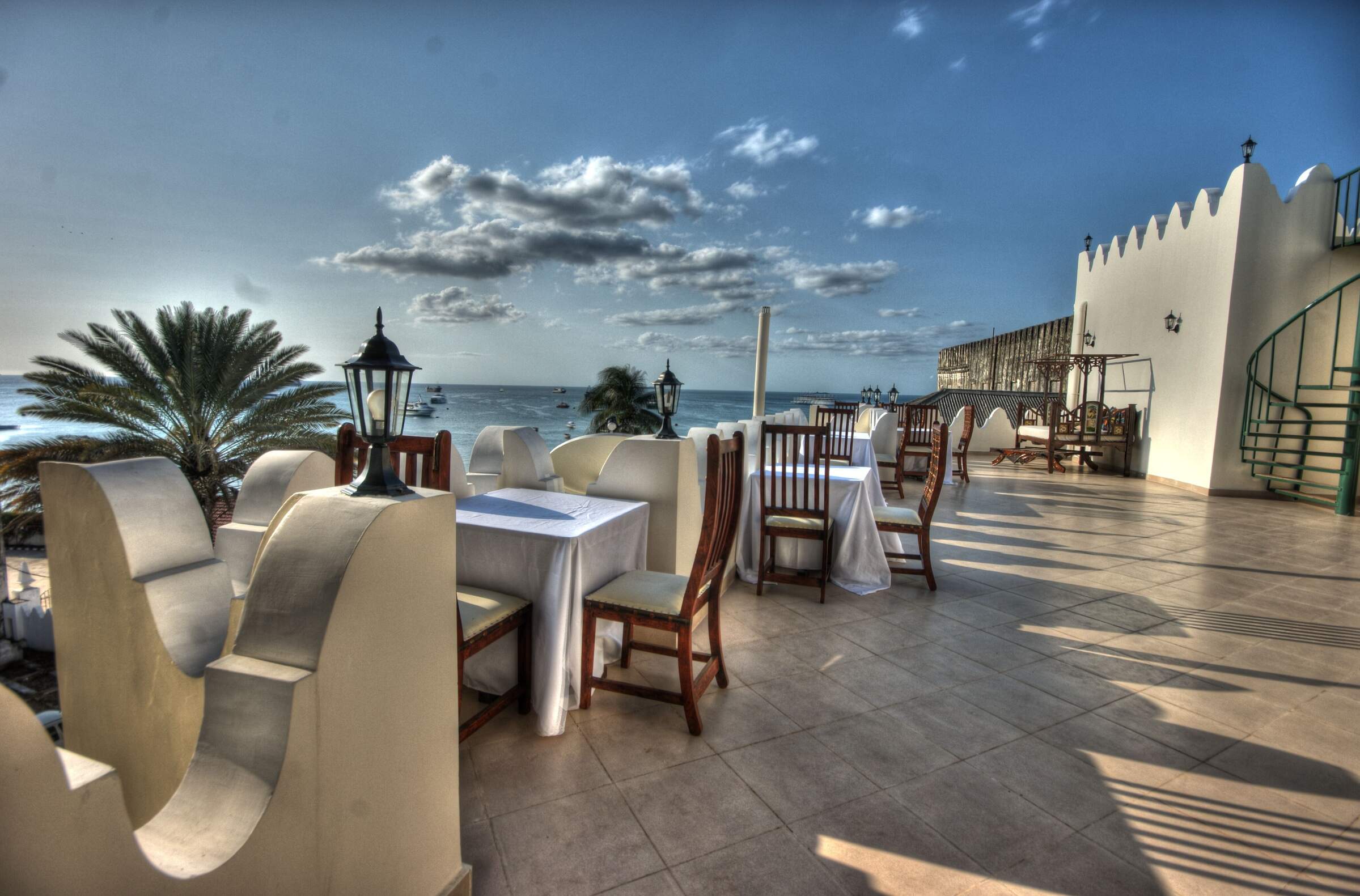
Tourism in Stone Town is supported by a range of accommodations, from luxury boutique hotels to budget guesthouses. Many hotels are restored historic buildings, offering guests an opportunity to stay within centuries-old architecture while enjoying modern comfort. Rooftop restaurants overlooking the Indian Ocean add to the charm, especially during sunset.
Stone Town serves as the main gateway to Zanzibar. Most visitors arrive through Zanzibar International Airport or the ferry terminal and begin their journey here. From Stone Town, tourists can easily access other attractions such as spice farms, Jozani Forest, Nungwi and Kendwa beaches, and marine excursions to nearby islands.
As a cultural and historical center, Stone Town complements Zanzibar’s beach tourism. It provides depth and context to the island’s identity, making the overall tourism experience more meaningful and diverse.
Stone Town is the cultural soul of Zanzibar tourism. Its rich history, architectural beauty, and vibrant local life make it far more than just a stopover destination. For travelers seeking culture, heritage, and authentic experiences alongside Zanzibar’s famous beaches, Stone Town offers an unforgettable journey into the heart of Swahili civilization.
Talk to Us