

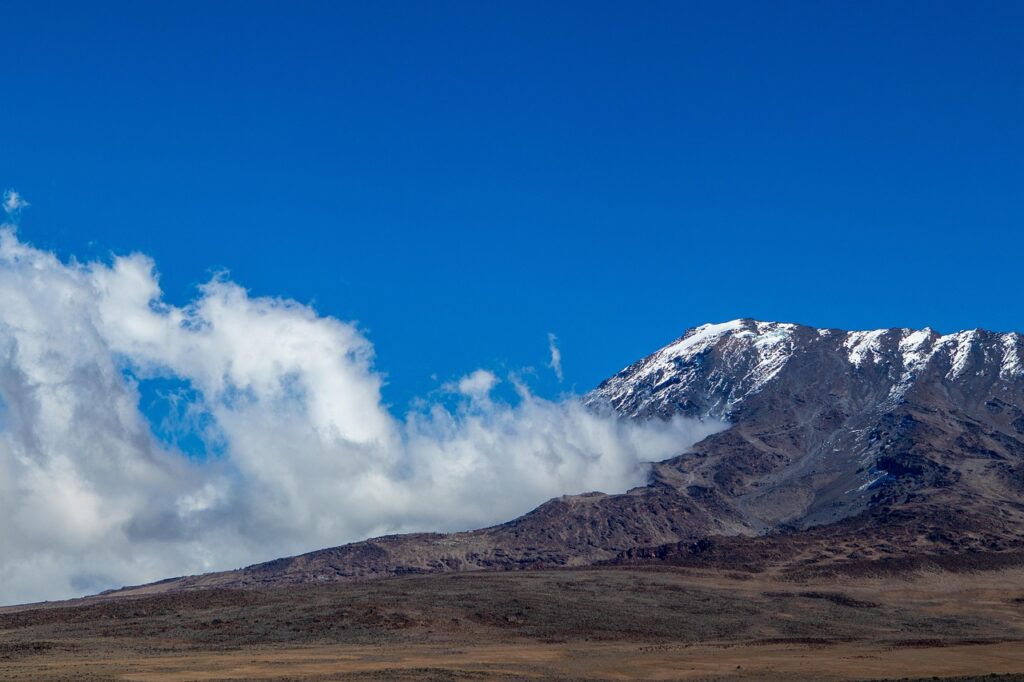
Mount Kilimanjaro is the tallest mountain in Africa, rising to an impressive 5,895 meters (19,341 feet) above sea level. Located in northern Tanzania near the border with Kenya, the mountain lies within Kilimanjaro National Park, a protected UNESCO World Heritage Site. Kilimanjaro is unique as a free-standing stratovolcano, meaning it rises dramatically from the surrounding plains rather than forming part of a mountain range. This striking vertical ascent makes it visible from many kilometers away and gives it its iconic silhouette.
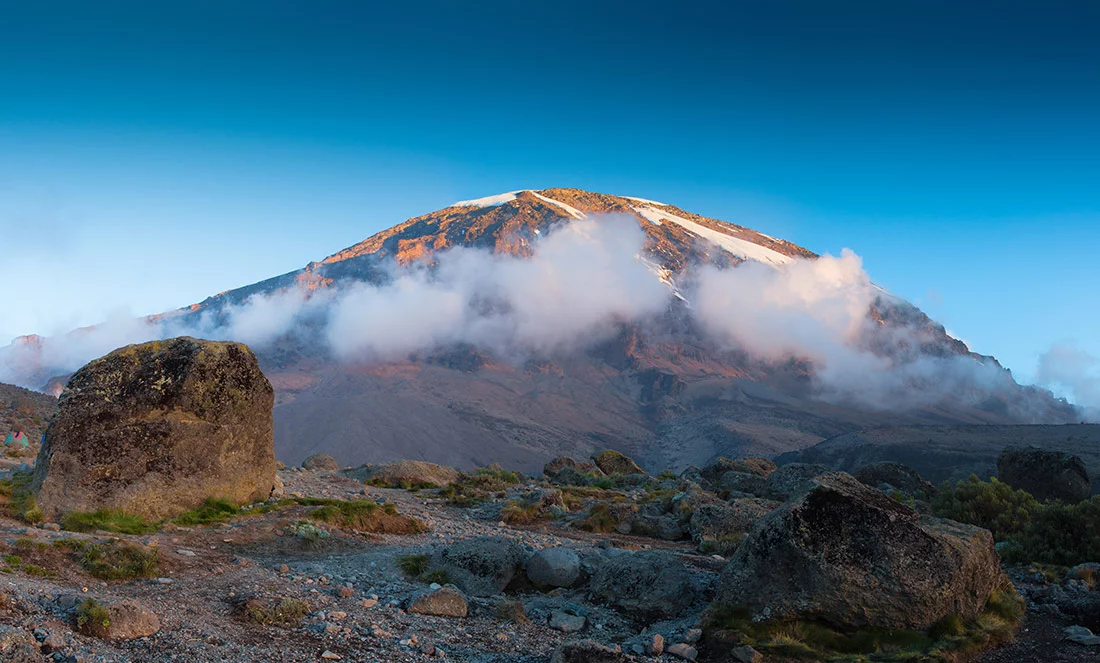
The mountain is made up of three distinct volcanic cones Kibo, Mawenzi, and Shira each with its own geological features and ecosystems. Hiking Mount Kilimanjaro is considered a non-technical trek, so climbers do not require ropes or specialized climbing equipment. However, the climb is physically demanding due to high altitude, long daily walking distances, and changing terrain.
Climbing Kilimanjaro is also a journey through remarkable ecological and climatic diversity. The trek begins in lush tropical rainforest filled with waterfalls, streams, and dense vegetation. As altitude increases, the landscape transitions through bamboo forests and open moorlands dominated by giant lobelias and groundsels. Higher up, trekkers cross alpine desert zones with minimal vegetation before reaching snow-covered glaciers near the summit.
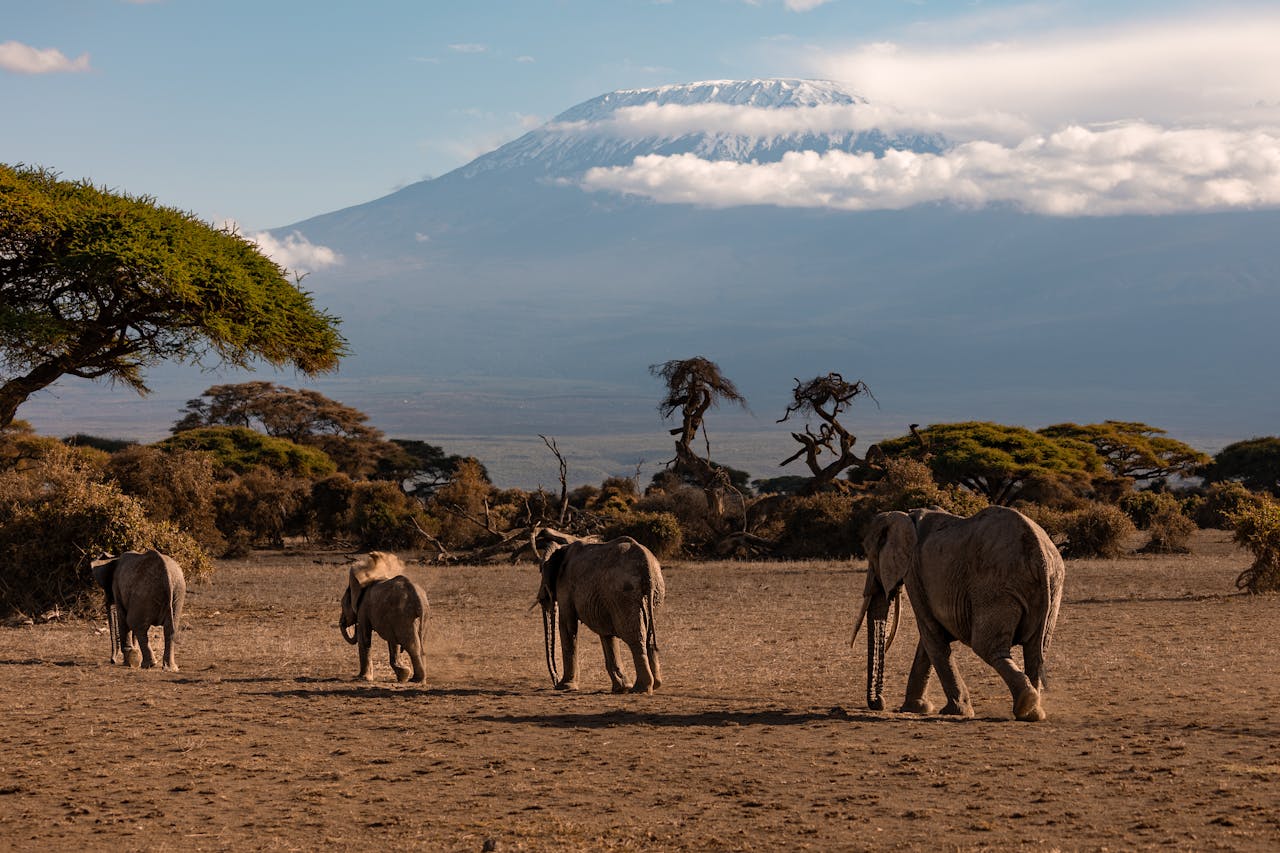
Wildlife adds to the adventure, ranging from monkeys and elephants in the lower forest zones to rare bird species and alpine-adapted animals at higher elevations. Reaching Uhuru Peak, the highest point on the mountain, rewards climbers with breathtaking panoramic views of northern Tanzania, Mount Meru, and the Great Rift Valley. Beyond its natural beauty, Mount Kilimanjaro holds deep cultural significance, as the Chagga and Maasai communities live on its lower slopes, offering visitors insight into Tanzania’s rich traditions and heritage.
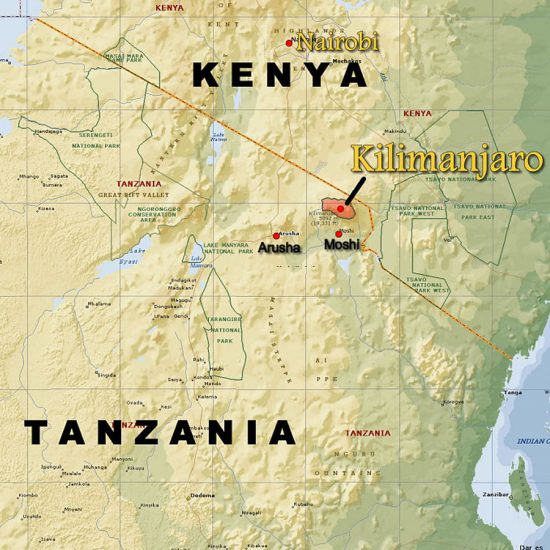
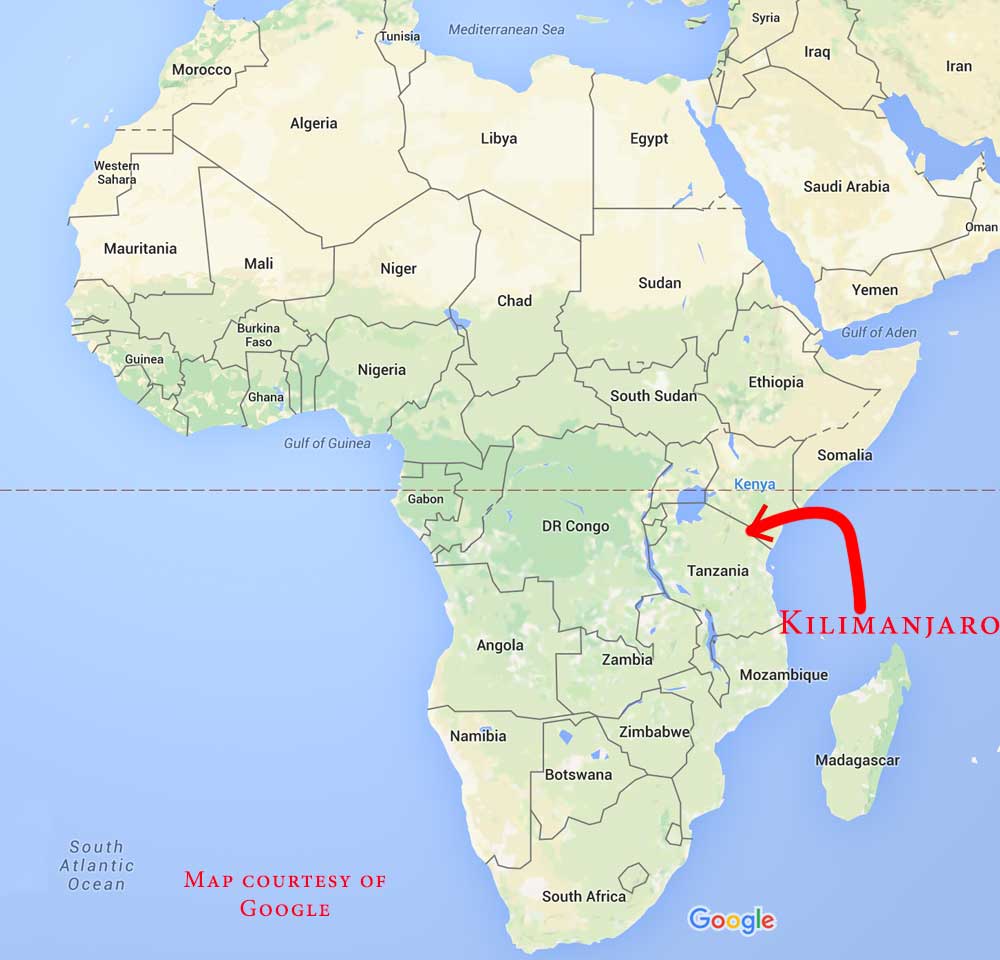
Mount Kilimanjaro is situated in northern Tanzania within Kilimanjaro National Park, a UNESCO World Heritage Site renowned for its biodiversity and landscapes. The nearest town for starting a climb is Moshi, located approximately 45 kilometers from the park gates, while Arusha, a major safari hub, lies about 250 kilometers away.
The mountain’s base begins at around 1,800 meters above sea level and rises sharply to nearly 6,000 meters, creating one of the most dramatic vertical ascents in the world. Kilimanjaro lies on the eastern branch of the Great Rift Valley, a geologically active region shaped by volcanic activity over millions of years.
Its strategic location allows trekkers to easily combine a Kilimanjaro climb with wildlife safaris to nearby destinations such as Tarangire National Park, Lake Manyara, Serengeti National Park, Arusha National Park, and the Ngorongoro Conservation Area. Positioned close to the equator, Kilimanjaro offers a unique experience where climbers encounter tropical heat at the base and freezing temperatures at the summit, all within a single adventure.
Mount Kilimanjaro reaches its highest point at Uhuru Peak, standing at 5,895 meters (19,341 feet), making it the tallest mountain in Africa and one of the world’s famous Seven Summits. The climb on Mount Kilimanjaro begins at approximately 1,800–2,000 meters in the lush rainforest zone and ascends through five distinct ecological zones before reaching the snow-capped summit.
As climbers gain altitude on Mount Kilimanjaro, oxygen levels decrease significantly, which can lead to altitude sickness if the ascent is too rapid. Common symptoms include headaches, dizziness, nausea, and fatigue. Proper acclimatization is therefore essential, and longer routes are highly recommended to improve summit success rates while ensuring a safer and more enjoyable trekking experience.
Summit day is the most demanding part of the climb, with steep terrain, thin air, and temperatures that can drop below -10°C (14°F). Despite these challenges, reaching Uhuru Peak is an unforgettable achievement and a lifelong dream for many adventurers. The mountain’s extreme altitude also creates remarkable ecological diversity, supporting unique plant and animal adaptations from rich tropical rainforests at the base to hardy alpine vegetation and glaciers near the summit.
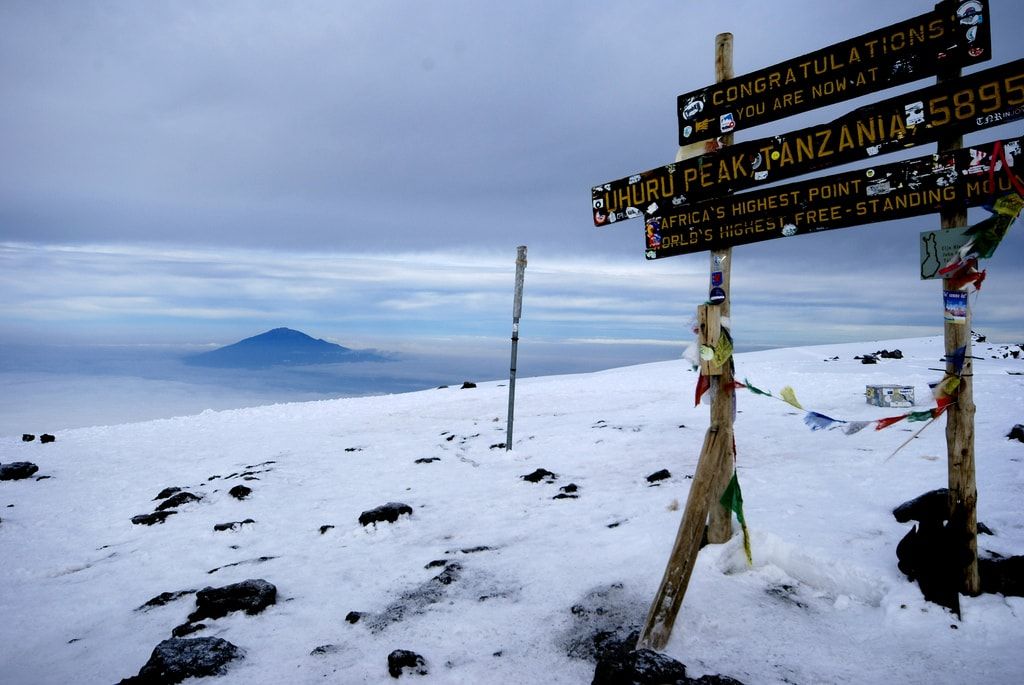
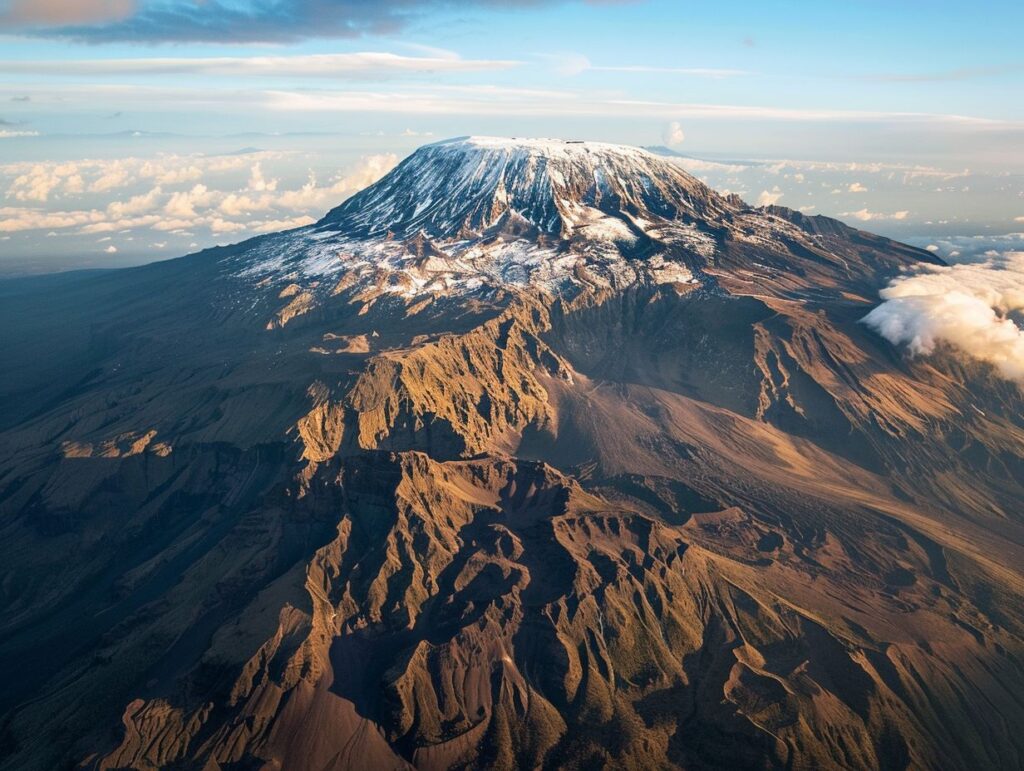
Mount Kilimanjaro is composed of three distinct volcanic cones Kibo, Mawenzi, and Shira each playing a vital role in shaping the mountain’s geological structure, ecosystems, and iconic appearance.
Kibo is the highest and most prominent of Kilimanjaro’s volcanic cones, rising to 5,895 meters (19,341 feet) at Uhuru Peak, the highest point in Africa. It is a dormant volcano, meaning it is not currently erupting but still contains molten rock beneath its surface. The summit features a vast crater partially covered by glaciers and permanent snowfields. Within the crater, fumaroles release steam, indicating ongoing geothermal activity.
Kibo’s upper slopes are harsh and barren, characterized by rocky terrain, steep ridges, and extremely sparse vegetation due to the cold and thin air. This cone forms the main trekking routes and is the final destination for climbers reaching the summit.
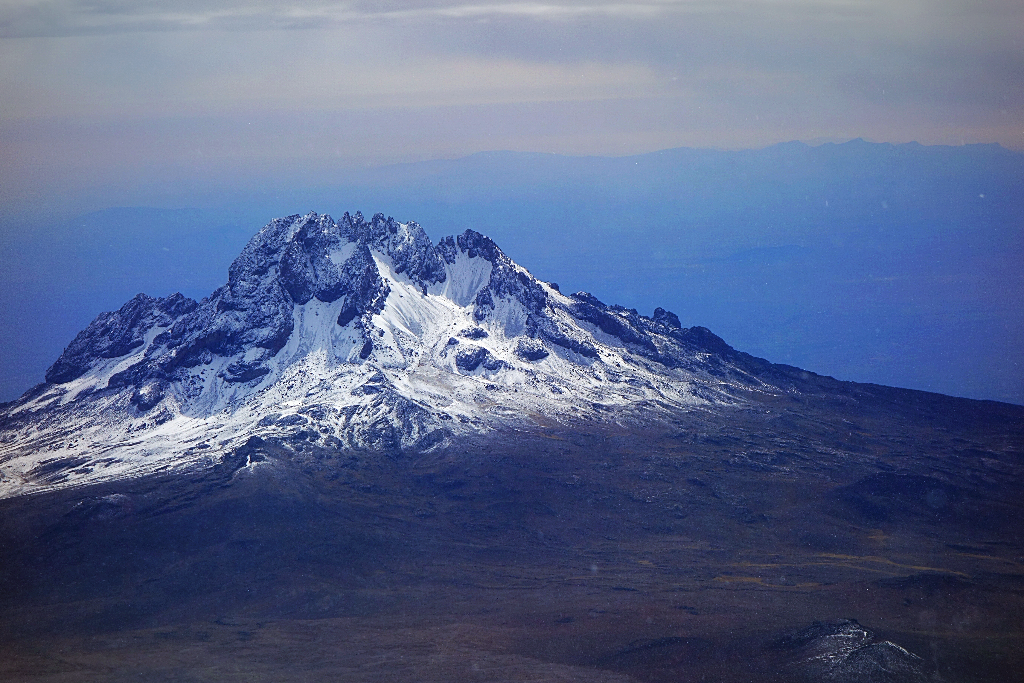
Mawenzi is the second-highest cone, standing at 5,149 meters (16,893 feet). Unlike Kibo, Mawenzi is highly rugged, with sharp peaks, jagged cliffs, and deep gullies. It is geologically older and heavily eroded, giving it a dramatic and angular appearance.
Mawenzi is separated from Kibo by a broad, lower area known as the Saddle, a stark volcanic landscape. Due to its technical difficulty and steep rock faces, Mawenzi is rarely climbed and requires advanced mountaineering skills. However, it dominates Kilimanjaro’s eastern skyline and adds to the mountain’s dramatic scenery.
Shira is the westernmost cone, with an altitude of approximately 3,962 meters (12,999 feet). Over time, erosion has flattened this cone, leaving behind the expansive Shira Plateau rather than a sharp summit. The plateau is characterized by volcanic soils and supports moorlands, grasslands, and scattered giant lobelias.
Separated from Kibo by a low-lying saddle, Shira appears from a distance as a broad, gently sloping extension of the mountain. It plays an important role in Kilimanjaro’s ecological diversity and serves as part of several popular trekking routes.
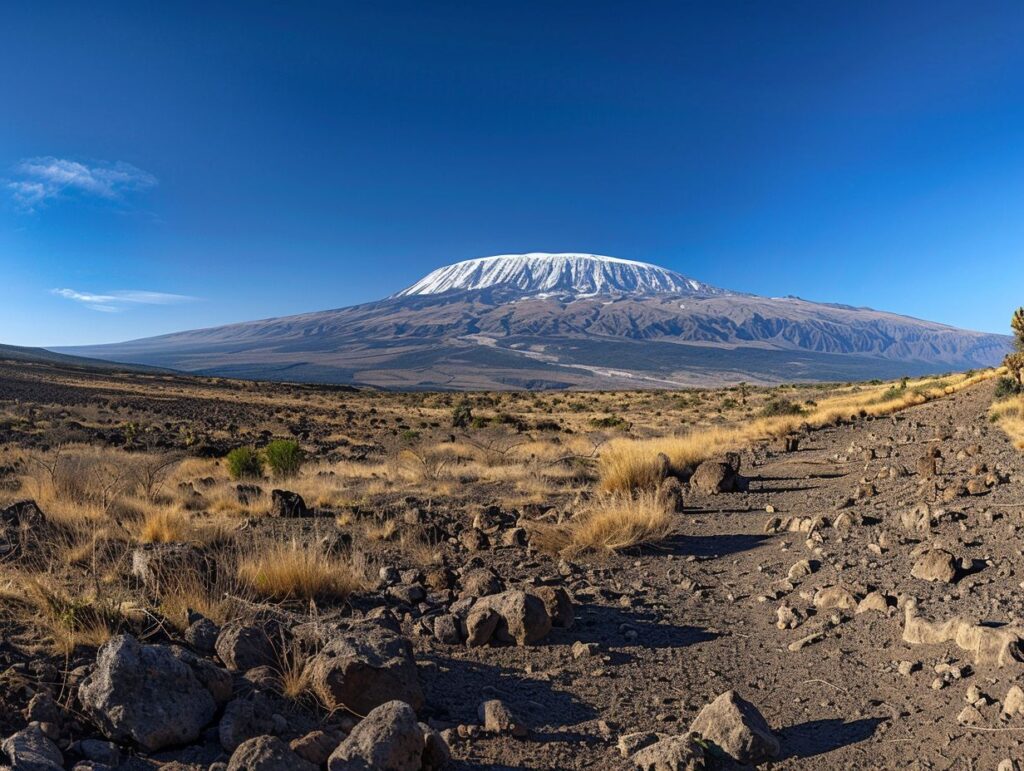
Together, Kibo, Mawenzi, and Shira form Mount Kilimanjaro’s unmistakable silhouette. Kibo dominates the summit, Mawenzi defines the mountain’s rugged eastern profile, and Shira spreads out as a wide plateau to the west—creating a landscape of remarkable contrast and beauty.
Mount Kilimanjaro’s extraordinary diversity is organized into five distinct ecological zones, each defined by altitude, climate, and vegetation. As climbers ascend the mountain, the environment changes dramatically, transforming the trek into a journey through multiple ecosystems from lush rainforest to arctic-like conditions at the summit.
Tell us how you want to explore the African High peak (kilimanjaro) , and we’ll craft a custom safari with top regions, lodges, and unforgettable wildlife experiences.
Talk to Us