Ecological Zones of Mount Meru

Mount Meru is divided into four distinct ecological zones, each offering unique landscapes, vegetation, and wildlife. As hikers ascend the mountain, the environment changes dramatically, providing a diverse and rewarding trekking experience.

1. Montane Forest Zone (1,500–2,700 m)

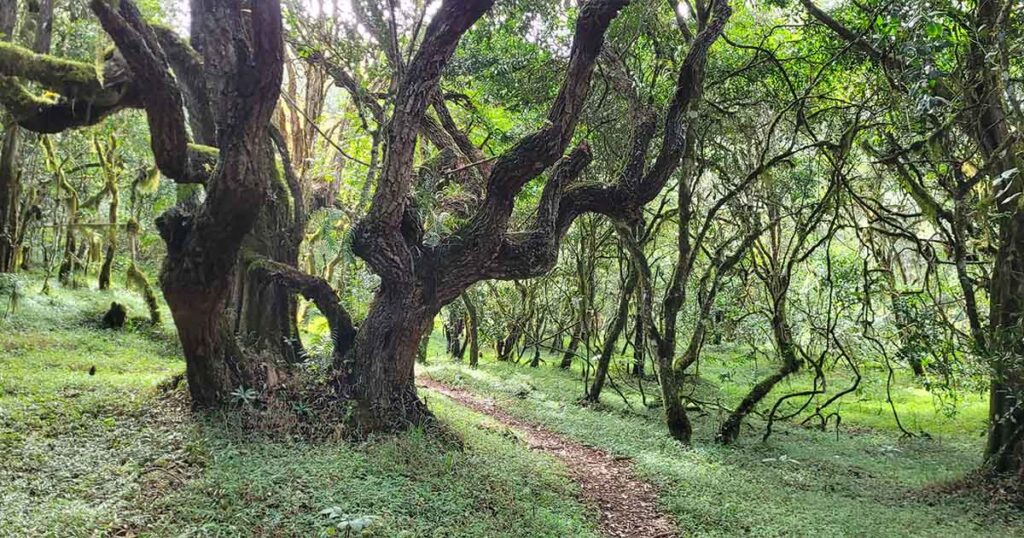
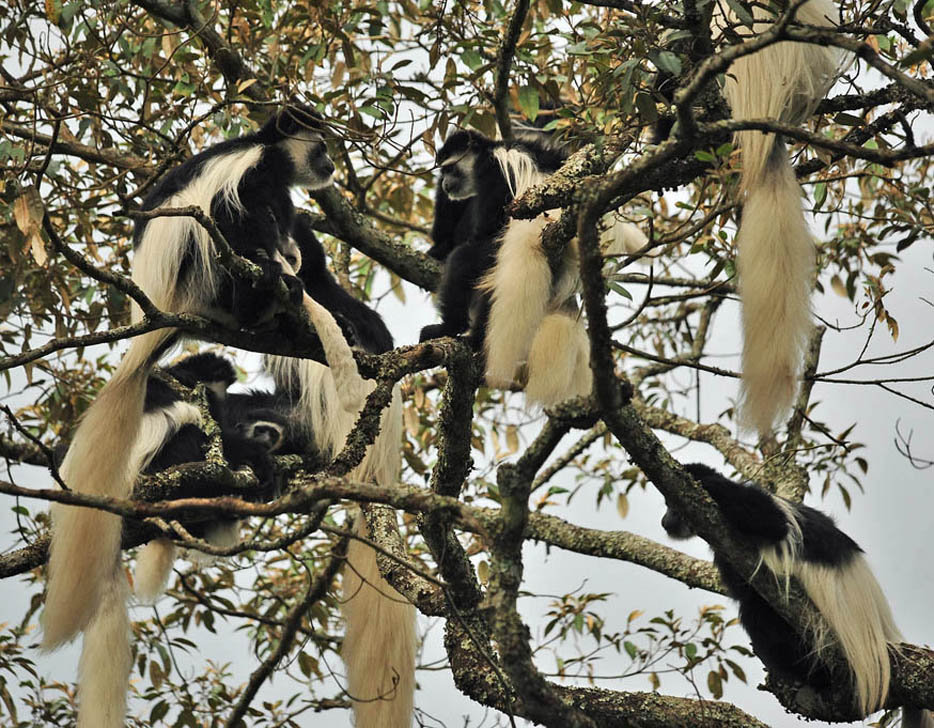
The lower slopes of Mount Meru are covered by dense tropical montane forest dominated by towering camphor, mahogany, and fig trees. The air here is cool and humid, filled with birdsong and the sounds of wildlife. This zone is rich in biodiversity, and hikers commonly encounter monkeys, colobus monkeys, and occasionally elephants.

Trails wind through thick vegetation, crossing streams and moss-covered rocks, creating a lush and immersive forest experience. The shaded paths and gradual ascent make this zone ideal for early acclimatization.

2. Bamboo Forest Zone (2,700–3,200 m)

Above the montane forest lies the bamboo zone, where tall bamboo stalks form natural corridors along the trail. This zone has a peaceful and slightly mysterious atmosphere, especially during misty mornings.

Monkeys are frequently seen, and birdlife remains abundant. Temperatures become cooler, and hikers begin to notice the thinning air, signaling the transition toward higher elevations and more open landscapes.

3. Moorland Zone (3,200–4,000 m)

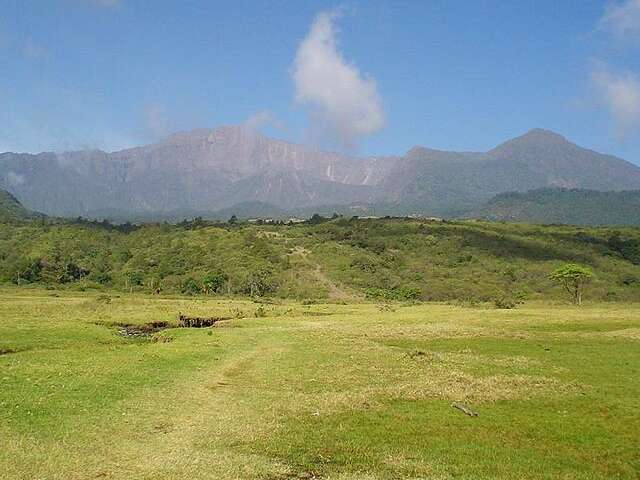
  • As the bamboo forest fades, the terrain opens into the moorland zone. Vegetation becomes sparse, with alpine meadows dotted by giant groundsels and lobelias adapted to the harsher climate. Volcanic rocks and small streams shape the landscape, adding to its rugged beauty.

    Wildlife sightings may include eland or buffalo, and the expanding views create a strong sense of space, solitude, and wilderness. This zone offers excellent photography opportunities and a clear sense of altitude gain.

4. Alpine Zone (4,000–4,562 m)

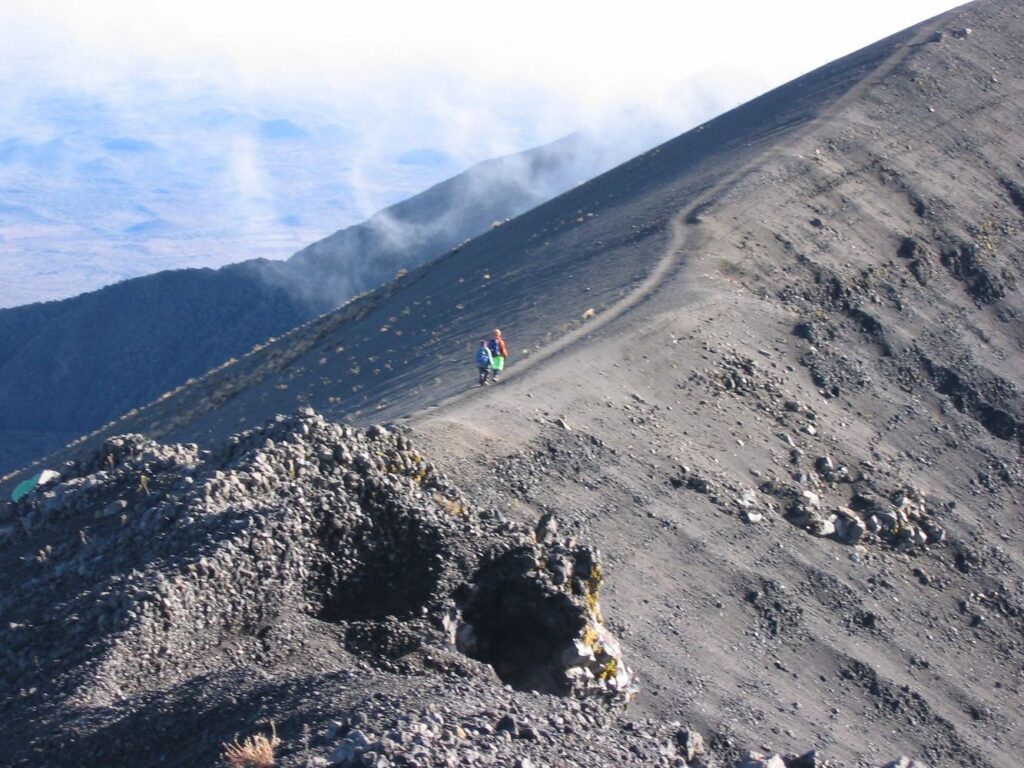
The final zone leading to the summit is rocky, barren, and fully exposed to strong winds and cold temperatures. Vegetation is minimal, and hikers must rely on warm, protective clothing.

Reaching the summit rewards climbers with breathtaking panoramic views of Mount Kilimanjaro, the Ngorongoro Crater, the Great Rift Valley, and the plains surrounding Arusha. Despite the physical challenge, the dramatic scenery and sense of achievement make this final ascent unforgettable.

A Compact but Diverse Trek

Although Mount Meru is smaller than Kilimanjaro, its four ecological zones offer an impressive variety of landscapes and wildlife. From lush forests to open alpine terrain, Mount Meru delivers a rich and visually stunning trekking experience within a relatively short ascent.