

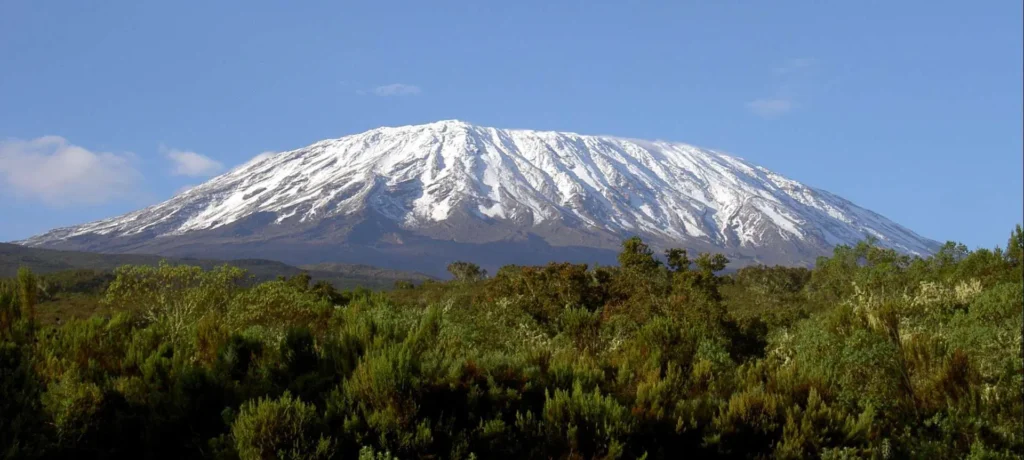
Mount Kilimanjaro is divided into five distinct Kilimanjaro Zones, each defined by altitude, climate, vegetation, and wildlife. As hikers ascend the mountain, the environment changes dramatically, creating a unique journey through multiple ecosystems from fertile farmland and lush rainforest to alpine desert and the arctic conditions at the summit. Understanding the Kilimanjaro Zones helps trekkers prepare for changing temperatures, landscapes, and altitude while appreciating the mountain’s remarkable ecological diversity.
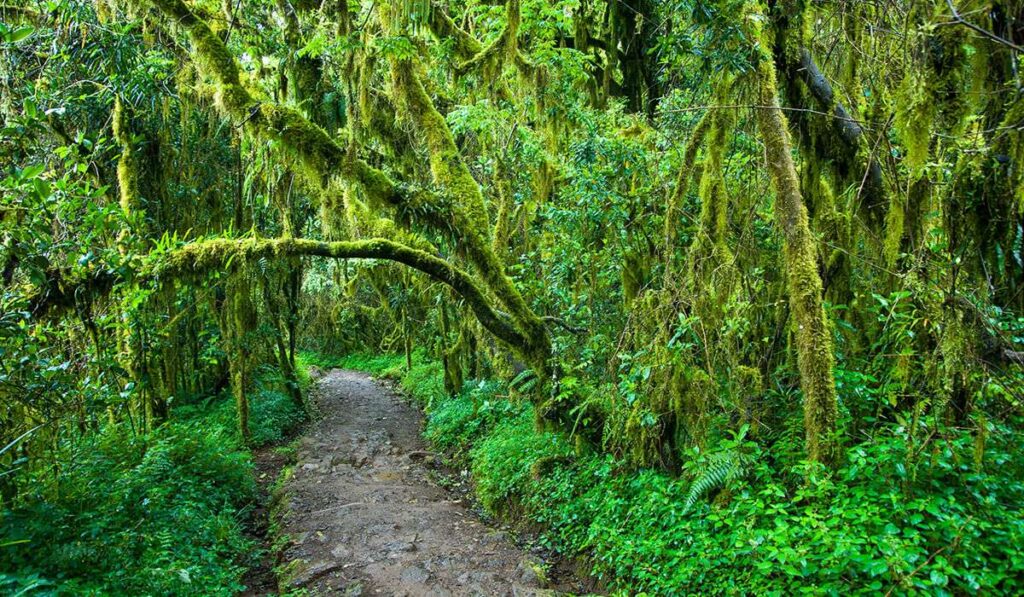
This is the lowest of the Kilimanjaro Zones, covering Kilimanjaro’s base and the surrounding areas where local communities cultivate crops such as bananas, coffee, and maize. Above the cultivated land, dense tropical rainforest dominates the landscape, featuring tall trees, moss-covered trunks, ferns, and winding streams. The air is warm, humid, and rich with the scent of wet earth and lush vegetation, making this one of the most vibrant Kilimanjaro Zones on the mountain.
Biodiversity in this zone is exceptionally high. Hikers may encounter elephants, bushbucks, colobus monkeys, blue monkeys, and a wide variety of birdlife, including turacos, hornbills, and sunbirds. Trails are well shaded and relatively gentle, making this zone ideal for early acclimatization. Waterfalls, mist, and flowing streams add to the magical atmosphere of the rainforest. Among all Kilimanjaro Zones, this rainforest belt offers the richest wildlife and the most diverse plant life, creating an unforgettable start to the climb.
As elevation increases, the rainforest gradually transitions into the bamboo forest, one of the most unique Kilimanjaro Zones. Tall bamboo stalks form dense corridors along the trail, creating a tunnel-like experience. Mist frequently drifts through the forest, giving the area a quiet, mysterious atmosphere that distinguishes it from the other Kilimanjaro Zones on Mount Kilimanjaro.
Wildlife is still present but more difficult to spot, with monkeys moving through the canopy and bird calls echoing through the bamboo. The air becomes cooler and less humid, and the narrow trails provide a sense of seclusion. This zone acts as a natural transition between the low-altitude forests and the open landscapes above, supporting gradual acclimatization. Among the Kilimanjaro Zones, the bamboo forest provides a peaceful environment where trekkers experience the mountain’s changing ecosystems before entering higher elevations.
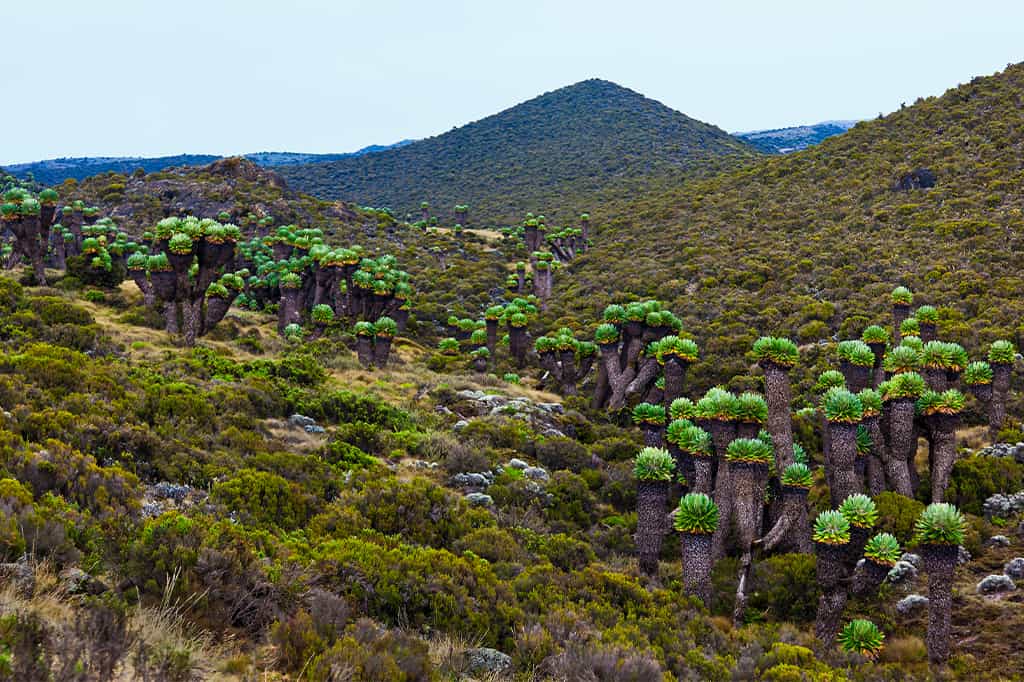
Beyond the bamboo forests, the landscape opens into the moorland zone, marking a dramatic shift in scenery. Rolling terrain replaces dense forest, with giant lobelias, groundsels, low shrubs, and volcanic rock formations scattered across the slopes. The air is noticeably thinner and cooler.
Temperatures drop significantly, especially at night, and hikers begin to feel the effects of altitude. This zone offers wide panoramic views and surreal plant life adapted to harsh conditions, making it one of the most visually striking areas of the climb. Trails are more exposed to wind, and the transition into moorland signals the start of the mountain’s more challenging sections.
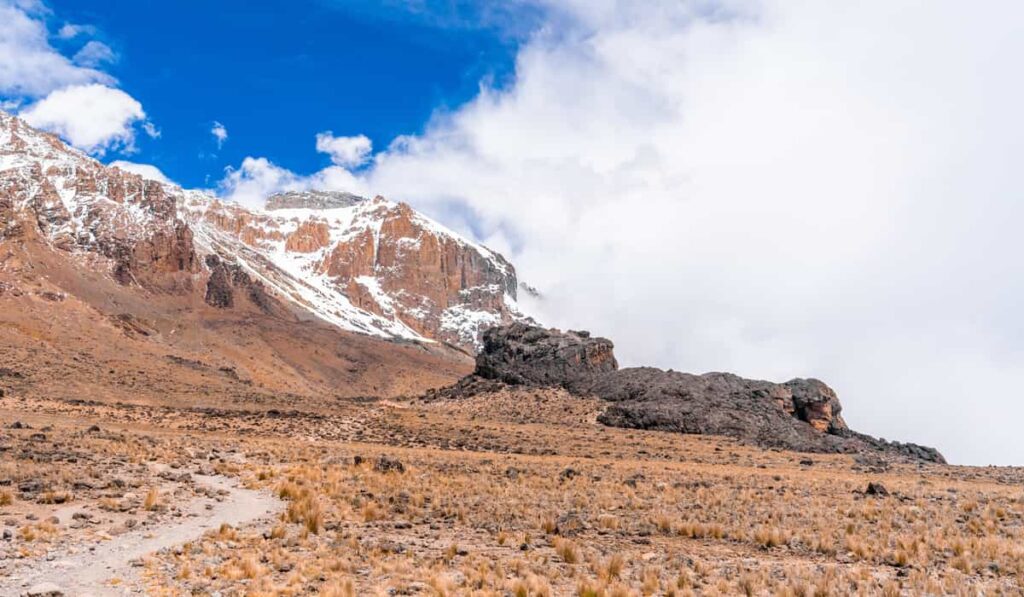
Above the moorlands lies the alpine desert zone, where vegetation becomes sparse and the landscape turns barren and rocky. Only a few hardy plants survive in this harsh environment. Daytime sunlight can be intense, while nighttime temperatures often fall below freezing.
This zone is characterized by extreme temperature fluctuations hot under direct sun and bitterly cold in shade or at night. Trails become steeper and more exposed, with loose rocks and scree increasing the difficulty. Oxygen levels are much lower, and hikers feel the altitude strongly. Despite the challenging conditions, the scenery is vast and dramatic, offering sweeping views and a sense of isolation that prepares climbers for the summit push.
The final zone is the arctic or summit zone, home to Kibo’s crater and Uhuru Peak, the highest point in Africa. This area features snow, ice, glaciers, and frost throughout the year. Oxygen levels are extremely low, temperatures frequently drop below -10°C (14°F), and strong winds make the ascent demanding.
This is the most physically and mentally challenging part of the climb. However, reaching the summit offers an unmatched reward: breathtaking panoramic views of northern Tanzania, Mount Meru, the Great Rift Valley, and on clear days, the distant plains of Kenya. The stark landscape of volcanic rock and ice creates a powerful sense of achievement and wilderness.
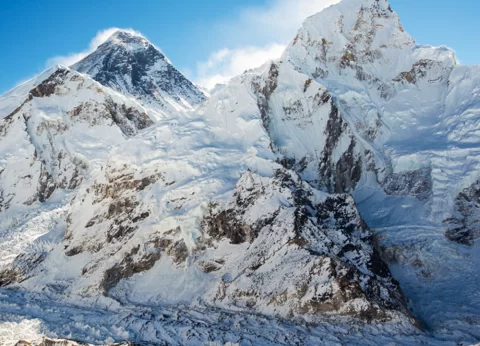
These five ecological zones highlight Mount Kilimanjaro’s extraordinary diversity. Few mountains in the world offer such a complete transition from tropical rainforest at the base to icy alpine conditions at the summit making Kilimanjaro one of the most unique and rewarding trekking experiences on Earth.
Talk to Us